
Topics of the Week 13
From antiprotons on Geneva's streets to Ehammers historic world record, the legacy of EEA stagnation, and the departure of the "digital conscience." Find out why this week's topics are shaping the Switzerland of tomorrow.

Antimatter Leaves CERN
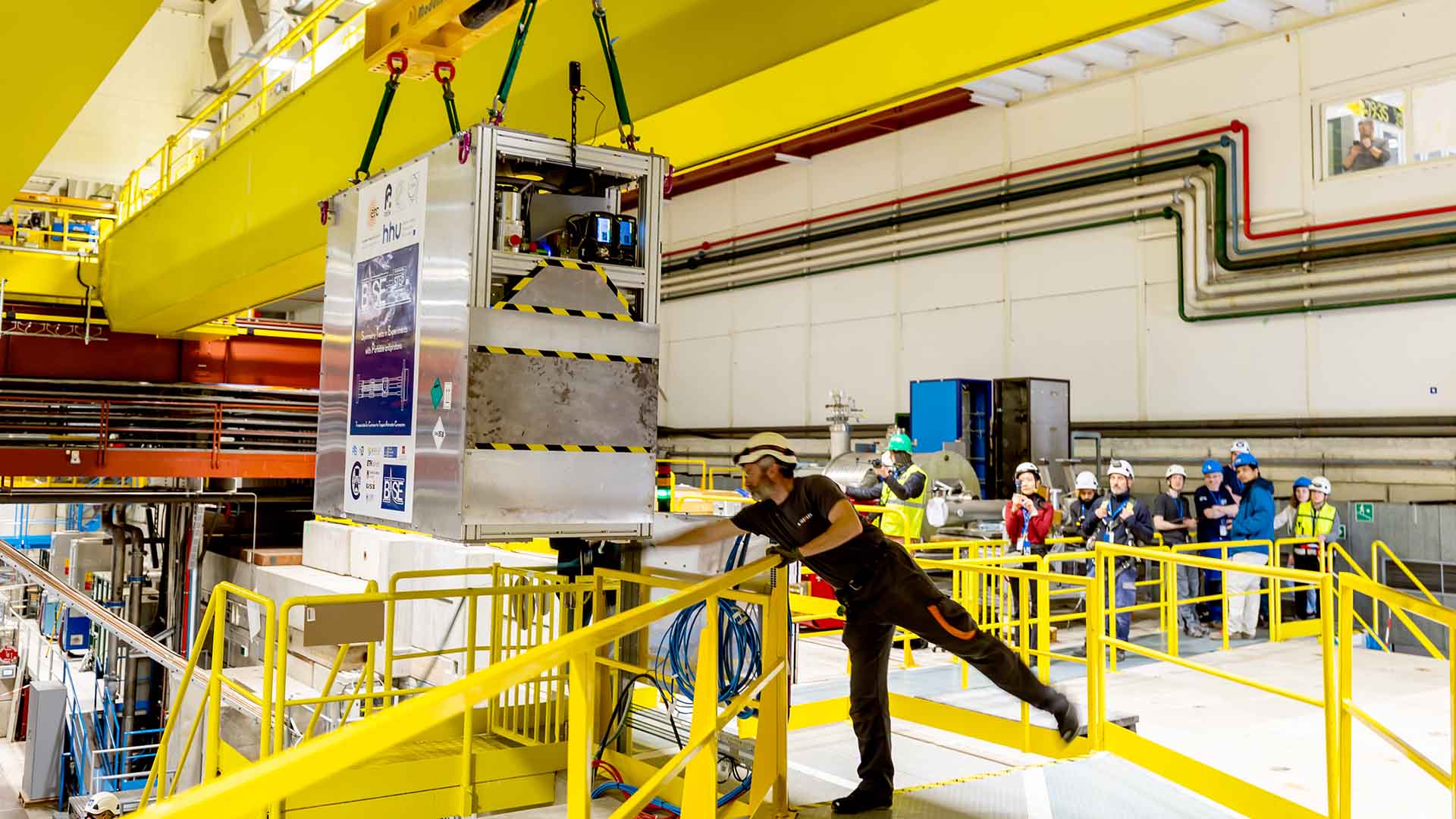
What sounds like science fiction from Dan Brown's Illuminati became a reality this week in Geneva. Researchers at CERN successfully transported 92 antiprotons across the facility for the first time. Since local infrastructure causes too many magnetic disturbances for precise measurements, the highly sensitive cargo floated in a massive magnetic trap at minus 268 degrees Celsius in a vacuum.
This success paves the way for delivering antimatter to disturbance-free specialized labs worldwide to solve the fundamental puzzle of matter asymmetry after the Big Bang. Despite media parallels to the film, there was no danger: The energy of the particles would have been enough to power a light bulb for just five seconds.
The Long Shadows of EEA Stagnation
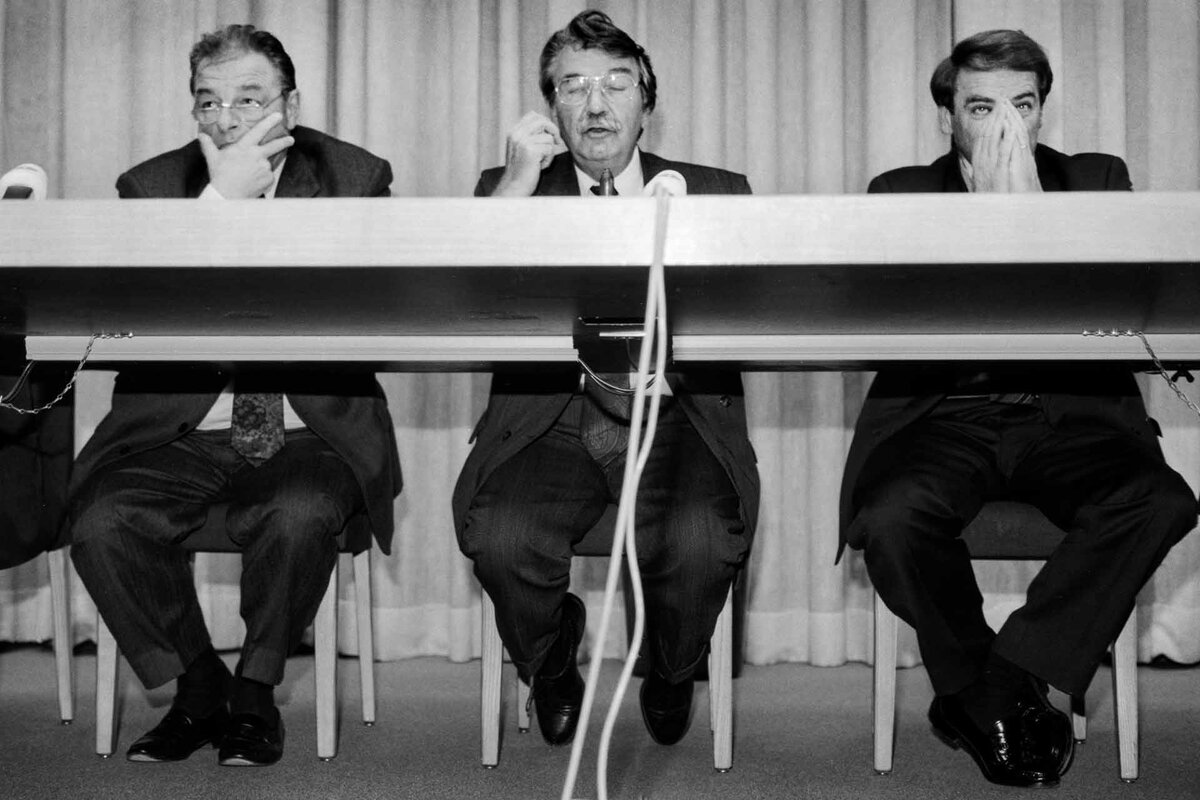
A look back reveals a moment of rare political exposure. The iconic Keystone photo from 1991 shows Federal Councilors Jean-Pascal Delamuraz, René Felber, and Adolf Ogi (left to right) in a state of shock, which would become the symbol of Swiss European politics. The faces marked by consternation and helplessness, the image captures the forewarnings of the division that would culminate a year later in the historic rejection of the EEA on December 6, 1992.
Today, 35 years later, the image casts long shadows in the context of Bilateral Agreements III. The key question remains the same: Has Switzerland learned from the paralysis of that time, or is history at risk of repeating itself in light of the current demands from Brussels?
Further historical topics

Number of the week - 6'670
With a score of 6,670 points, Appenzell's Simon Ehammer secured the gold medal in the heptathlon at the Indoor World Championships in Torun (Poland). At the same time, he shattered the 14-year-old world record held by US legend Ashton Eaton by 25 points.
It is a sporting highlight captured by Keystone photographer Michael Buholzer: Ehammer is now the first Swiss decathlete in history and the first Swiss athlete since Werner Günthör’s era to hold a world record in a global top discipline. While the nation still celebrates its recent successes in the snow, Ehammer has already catapulted the bar for Swiss summer sports to historic heights.
More numbers
The Departure of the Digital Conscience
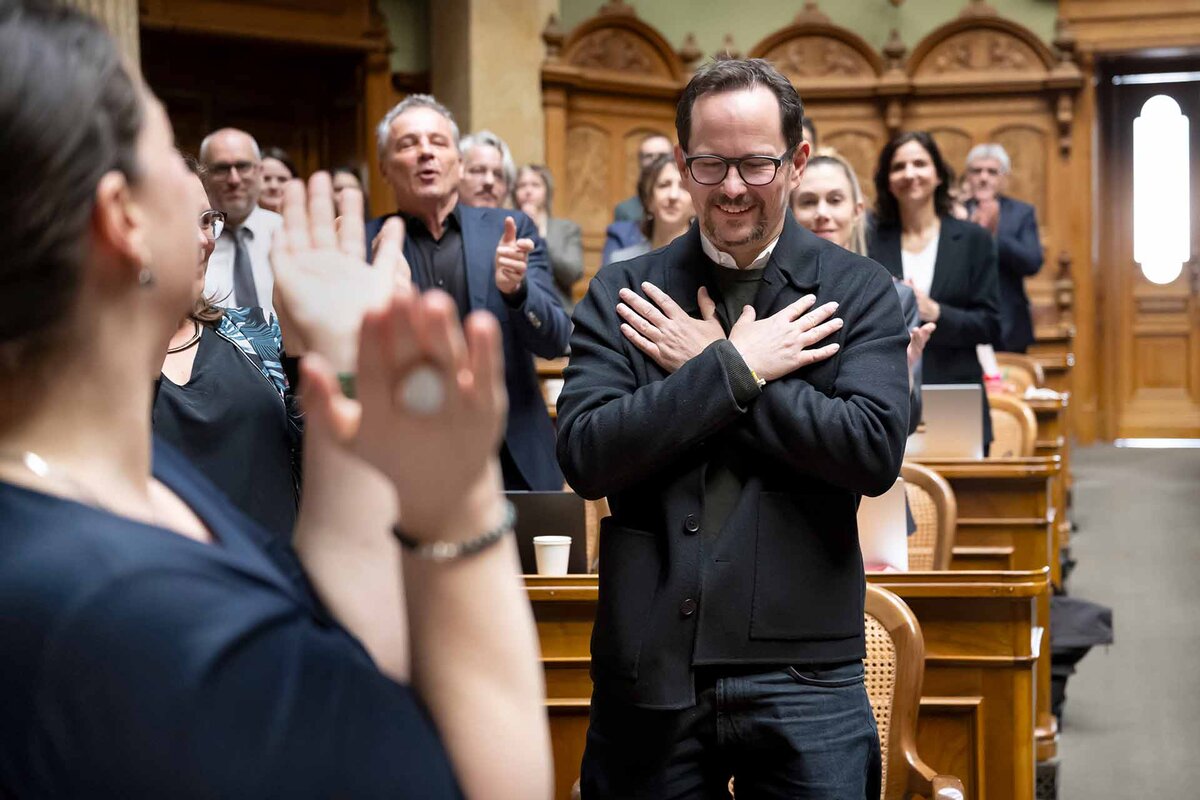
With the farewell of Balthasar Glättli, the Federal Assembly loses one of its most influential voices this week. The former president of the Green Party leaves the National Council on a personal high note: Just two weeks after his impressive election victory in the canton of Zurich on March 8, he makes way for the new generation under Lisa Mazzone.
With this, Switzerland loses its most prominent digital thought leader in Parliament. As an expert in net policy and AI ethics, Balthasar Glättli earned respect across party lines and now leaves a gap as the digital conscience, one that extends far beyond his own faction.
This Saturday, March 28, 2026, the official delegates' meeting of the Green Party of Switzerland will take place, where Balthasar Glättli will be celebrated by his base.