
Topics of the Week 42
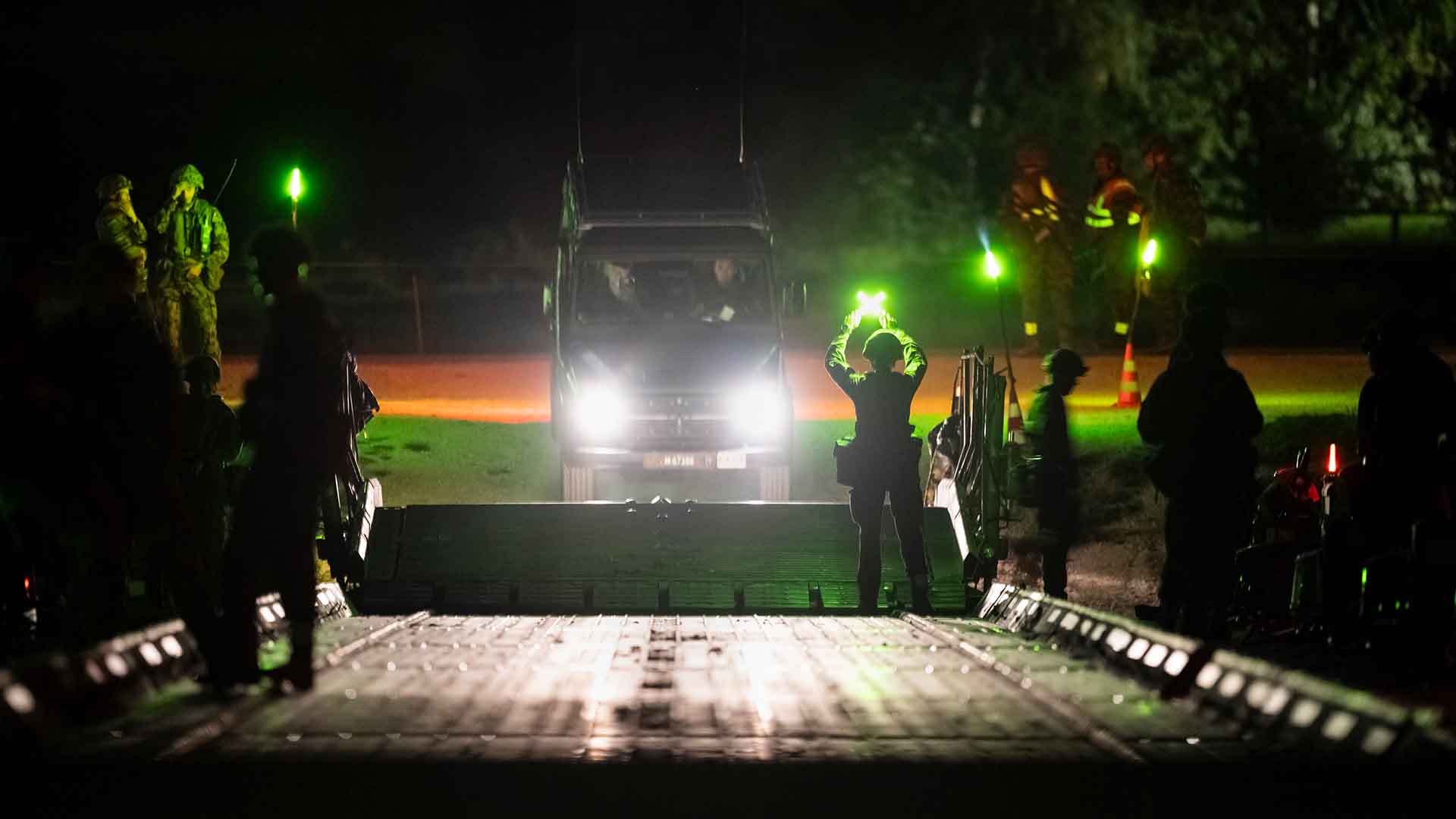
From the power struggle over Guy Parmelin's succession to historical parallels with the 1956 Hungarian Uprising, alongside major shifts in the education system and new strategic directions in security policy: a deep dive into the key issues of the week.
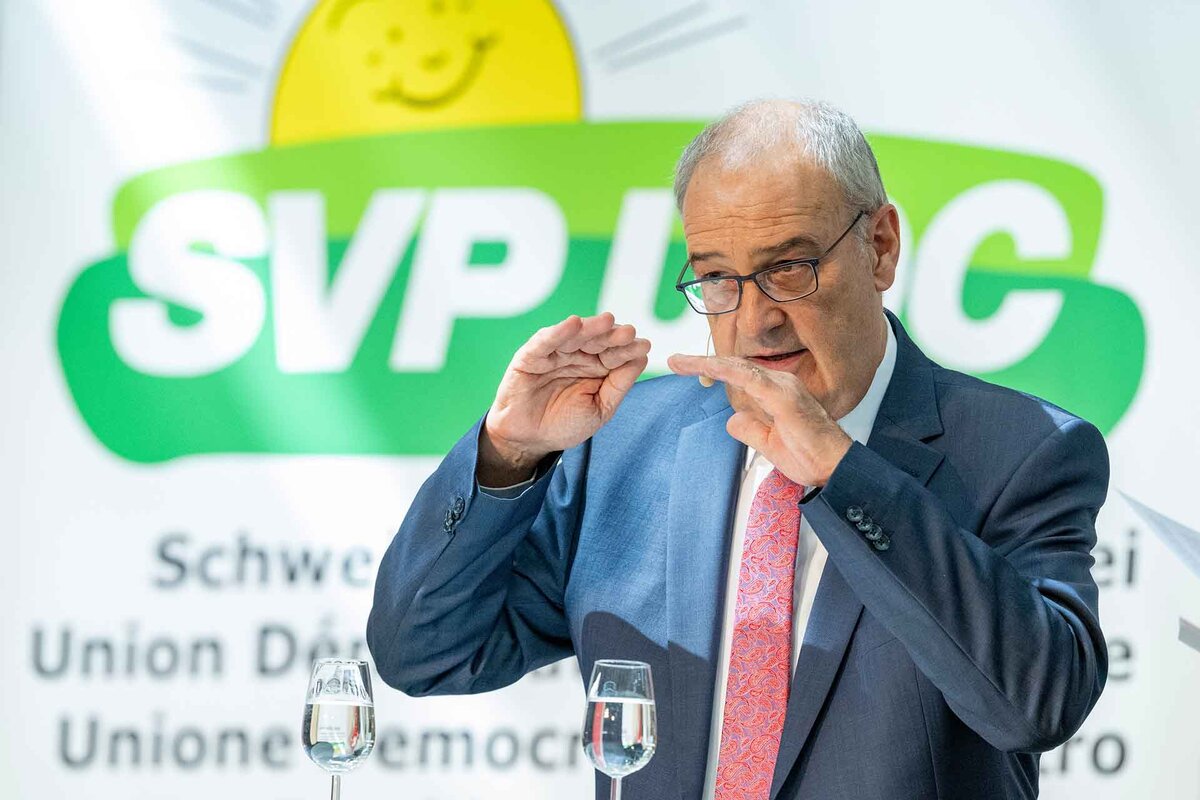
Who Will Succeed Guy Parmelin?
Spotlight
Another chapter opens in the Swiss political carousel: With Federal Councillor Guy Parmelin announcing his resignation at the end of the year, the race for his seat in the national government is officially underway. The SVP (Swiss People's Party) is claiming the seat for the election on December 9. However, the starting position is complex: The Vaud SVP is adamantly demanding representation from French-speaking Switzerland, while prominent figures are already positioning themselves in German-speaking Switzerland.
At the heart of the debate is also a historic question: Will Switzerland soon see its first official female SVP Federal Councillor? Geneva National Councillor Céline Amaudruz and Zurich Health Director Natalie Rickli, both high-profile politicians, are currently considering their options, while co-favorite Esther Friedli has already withdrawn her candidacy.
In just over five weeks, on November 20, comes the first crucial milestone in the succession process: On that day, the SVP parliamentary group in Bern will officially vote on its candidate recommendations and decide on the ticket it will present to the Federal Assembly.
The Hungarian Uprising and Swiss Solidarity
Retrospective
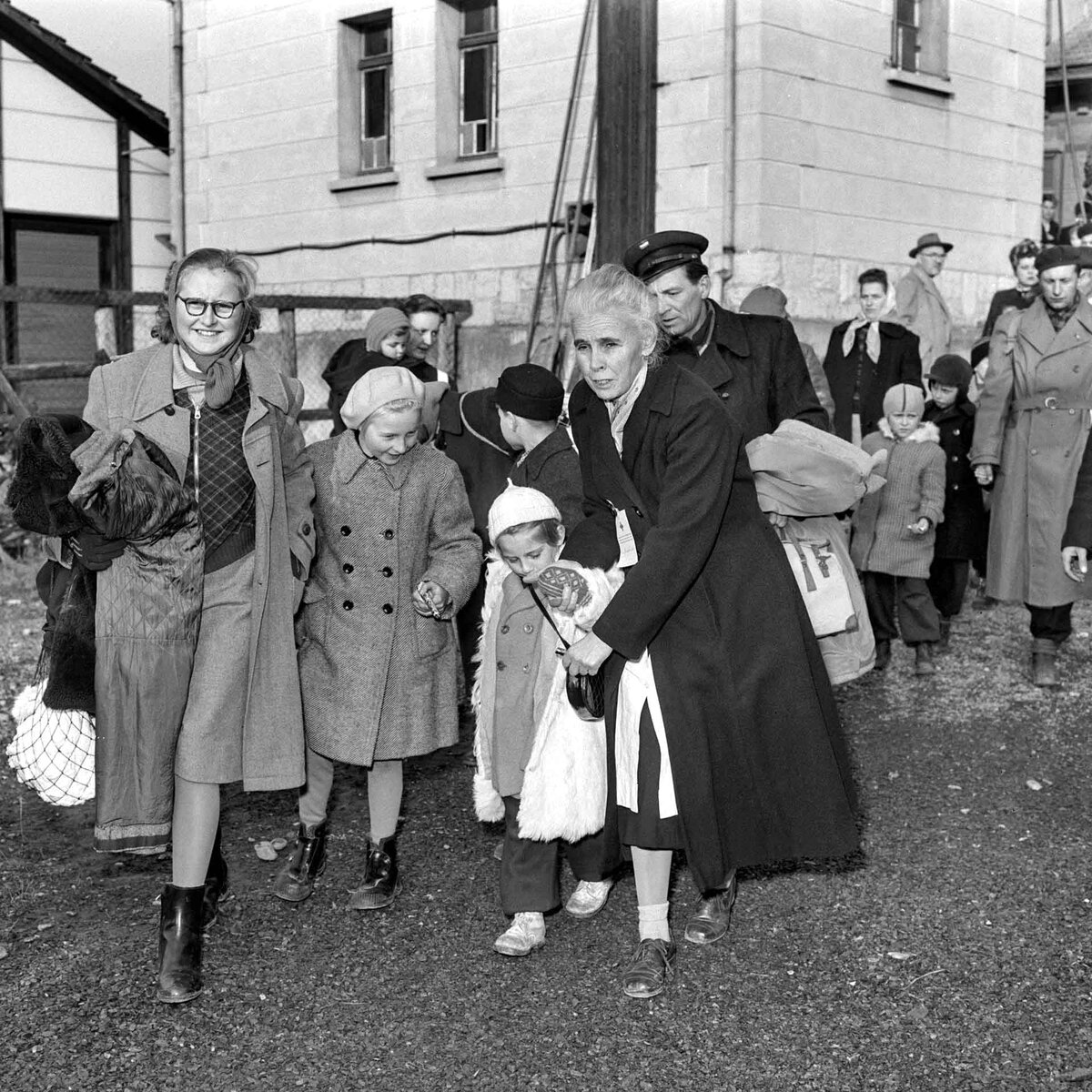
Seven decades ago, dramatic images dominated Swiss newspapers: Destroyed tank columns in the streets of Budapest, fleeing families, and the courage of a young generation. The Hungarian Uprising, which began with a student demonstration on October 23, 1956, shook the Eastern Bloc before being violently crushed.
The Swiss population responded with an unprecedented wave of solidarity. Special trains brought around 12,000 Hungarian refugees to the Swiss border, where they were welcomed by aid organizations and a supportive public.
Looking back, the events carry remarkable relevance today. The historical conflict between Moscow and European freedom movements is mirrored in current geopolitical tensions. What began in 1956 as a local struggle for freedom remains a timeless turning point in post-war European history.
-8 / +21
Numbers
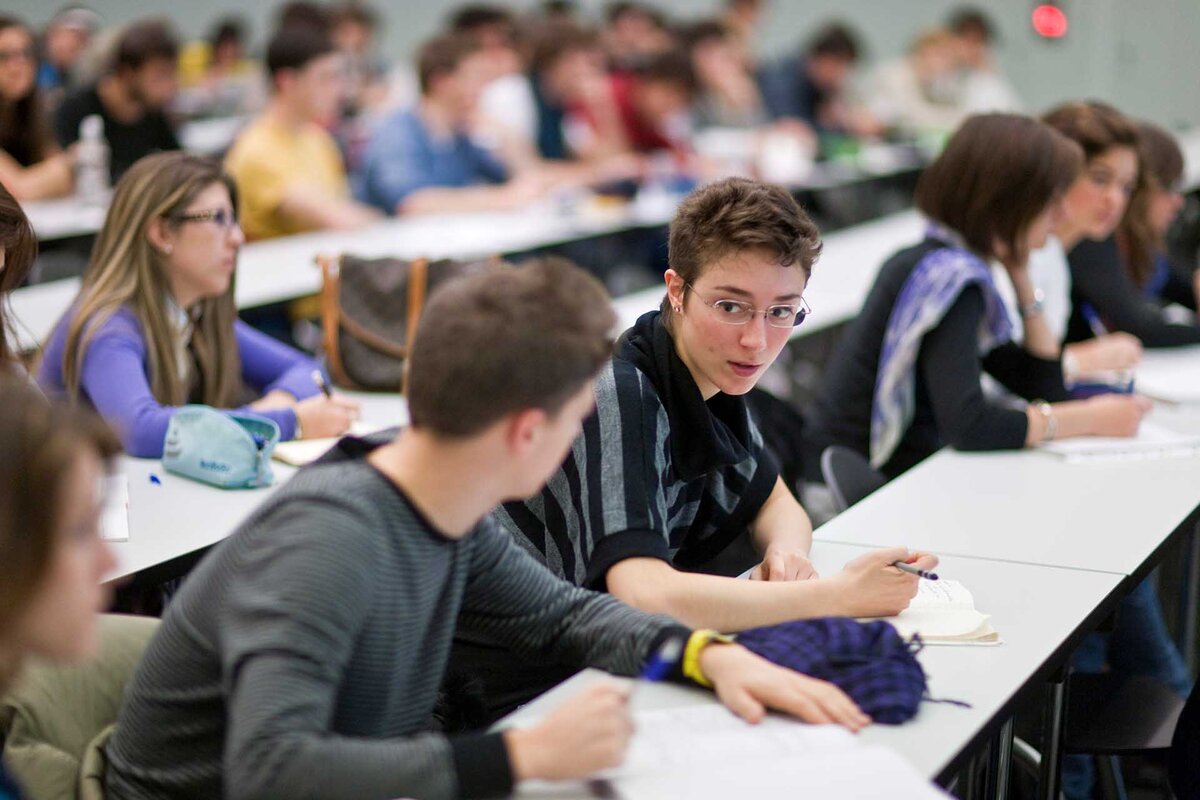
The Swiss education system is heading toward a historic shift: Packed lecture halls and empty schoolyards. According to the latest forecasts by the Federal Statistical Office up to 2035, the number of primary school pupils will fall by 8 percent following a peak around 2028, driven by declining birth rates. The trend at higher education institutions is the exact opposite: Fueled by population growth and immigration, the student body at universities, universities of applied sciences, and universities of teacher education will surge by 21 percent to a record 305,000.
Other levels are also expanding. Basic vocational training will grow by 10 percent, general education by 12 percent, and higher vocational colleges by 17 percent to 41,300 students. This unchecked drive toward higher qualifications meets a labor market where entry-level unemployment among university graduates rose noticeably between 2023 and 2025.
Setting the Course for Swiss Defense Policy
Insights
Swiss security policy faces a dual turning point this autumn: While the Federal Council is sticking to a strict six-billion-franc spending cap for the US F-35 fighter jet despite massive cost overruns—meaning fewer aircraft can be procured—the armed forces are opting for targeted European cooperation in electronic defense. By joining the Knifefish program, Switzerland joins the Netherlands, Germany, Denmark, and Sweden to procure systems for active jamming and protection against hostile electromagnetic attacks.
The agreement builds directly on the Sawfish reconnaissance project approved in 2025. It does not commit Switzerland to binding purchases, but leverages economies of scale and safeguards sovereignty in the event of a partner country entering a conflict via a neutral opt-out clause. The parallels between a reduced F-35 batch and European tech cooperation highlight the broader ongoing shift in Swiss defense strategy.
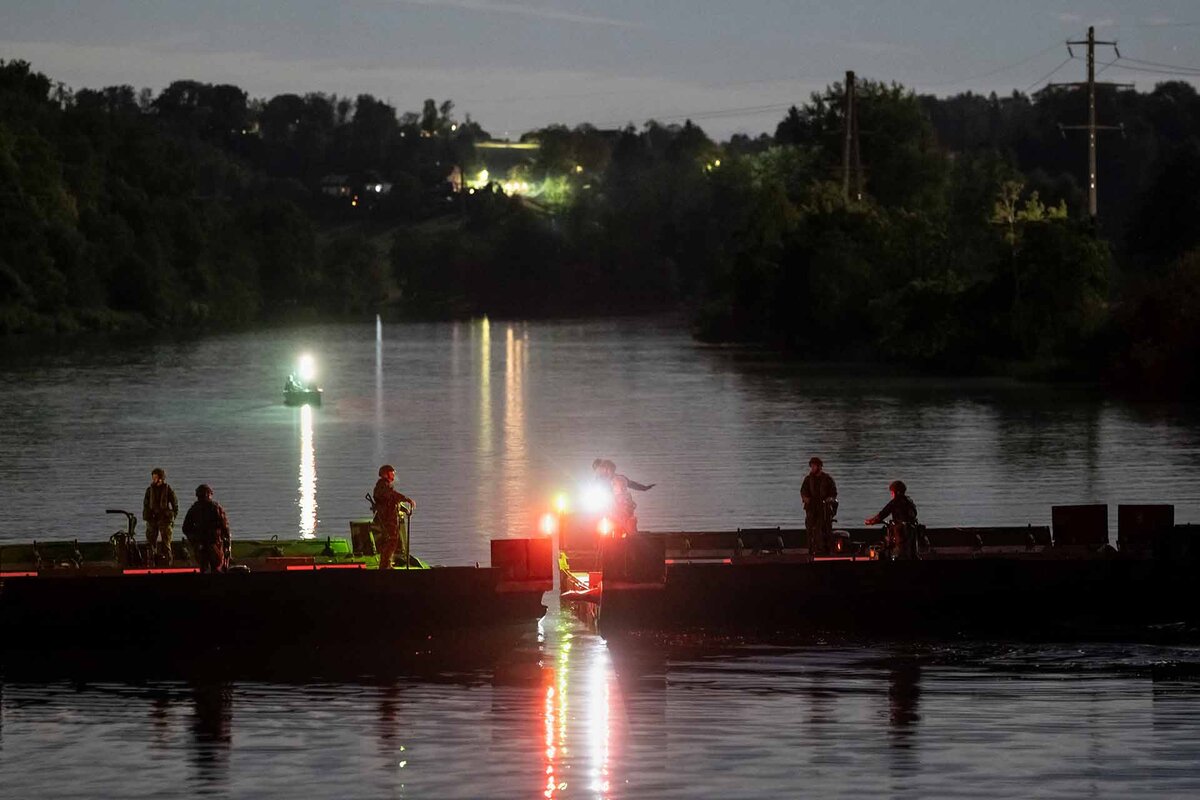
Alessandro della Valle’s photo series on the full-scale troop exercise "MOBILO 26" offers a firsthand look at how the Swiss Armed Forces test the interplay between troops, equipment, and water-crossing capabilities in the field.