
Topics of the Week 47
From the nominations to succeed Guy Parmelin and the final demolition of Switzerland's oldest research reactor to the last deadline for the one-centime coin and debates surrounding an unusual village project in the Jura, this week's selection brings together the defining visual moments of the week.
The SVP Ticket for Parmelin's Legacy
Focus
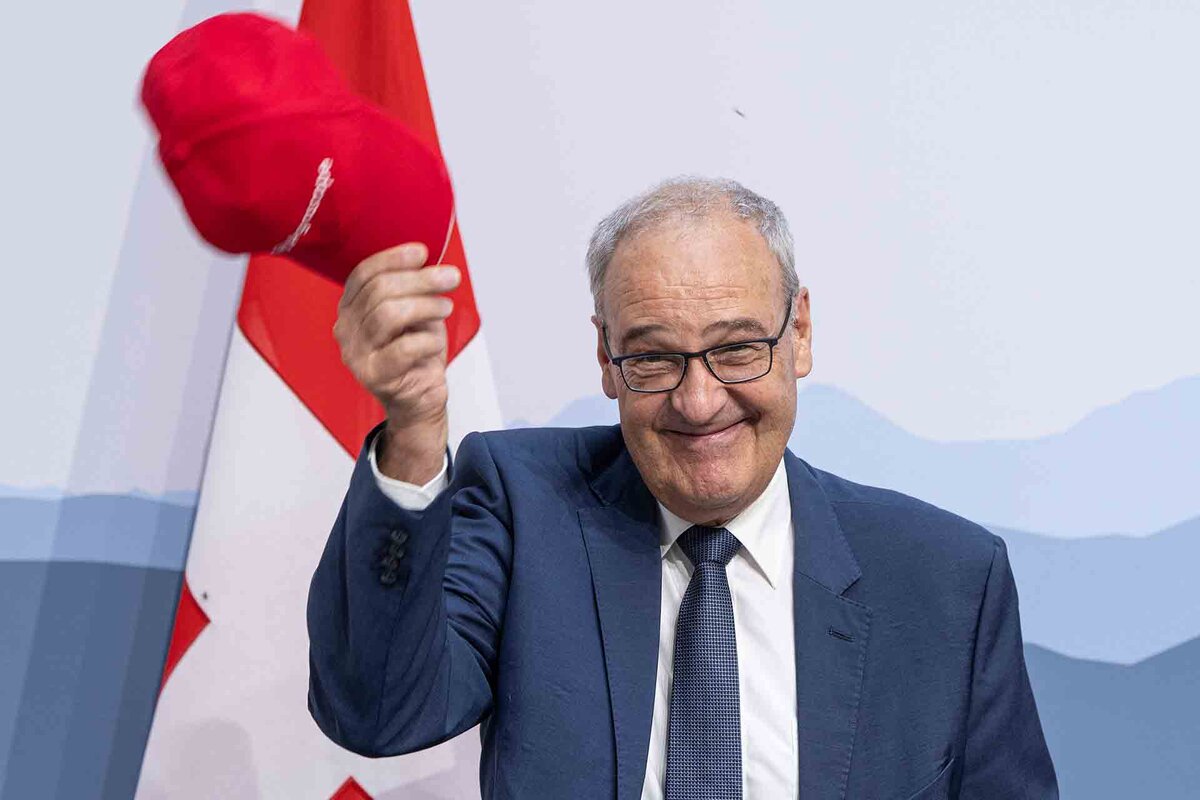
Following the October announcement that Federal Councillor Guy Parmelin will step down at the end of the year, the Swiss People's Party (SVP) parliamentary group is setting the course today, Friday, November 20, for the replacement election on December 9, 2026. In Bern, the group will hold a secret ballot to decide on the official ticket for the United Federal Assembly.
The selection committee has deemed all eight official candidates nominated by the cantonal parties eligible. Running from German-speaking Switzerland are parliamentary group leader Thomas Aeschi (Zug), Aargau cantonal councillor Jean-Pierre Gallati, Solothurn national councillor Rémy Wyssmann, and the Upper Valais duo of cantonal councillor Franz Ruppen and national councillor Michael Graber.
Representing Latin Switzerland are Bernese cantonal government president Pierre Alain Schnegg from the French-speaking Bernese Jura, Geneva national councillor Céline Amaudruz, and Ticino councillor of states and former party president Marco Chiesa.
While parliamentary group leader Aeschi is considered virtually assured of a spot, the group's executive board recommends a two-person ticket to give the Federal Assembly a genuine choice and prevent unofficial wildcat candidacies. At the heart of the internal debate is linguistic and regional balance, as Parmelin's departure leaves a French-speaking seat vacant.
Immediately following the nomination decision, the official SVP candidates will begin their traditional hearings with the other parliamentary groups next week.
"Saphir" Makes Way for a Greenfield Site
Flashback
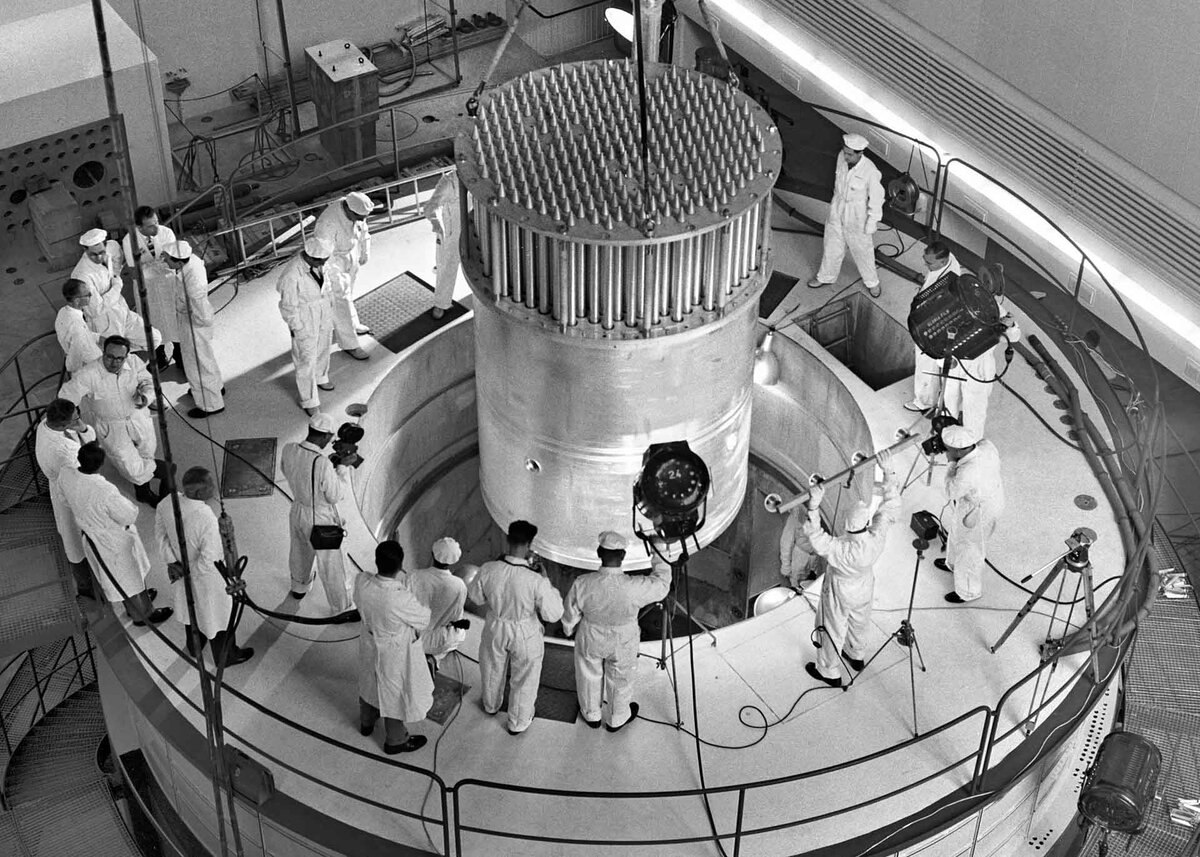
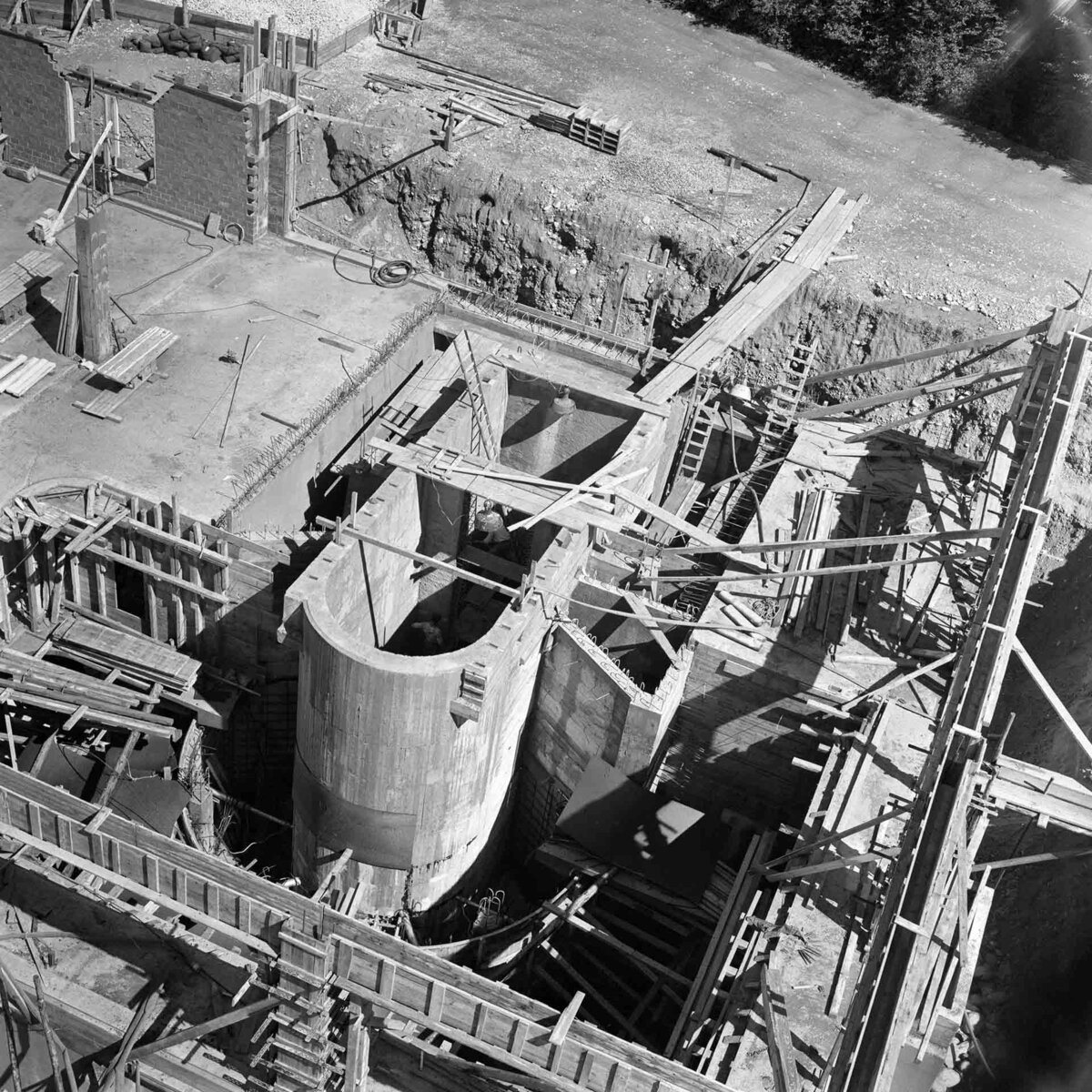
Around seven decades after entering service, Switzerland's oldest research reactor is disappearing in Würenlingen, canton Aargau. With the demolition of its final concrete shell beginning this week, the "Saphir" facility at the Paul Scherrer Institute (PSI) is becoming the country's first nuclear installation to be completely dismantled down to a greenfield site.
Conceived as a swimming-pool reactor, the research facility traces its origins back to August 1955 at the Geneva "Atoms for Peace" conference, where the United States unveiled the blue-glowing reactor to the world. Switzerland subsequently acquired the installation and put it into operation on April 30, 1957.
Following its decommissioning at the end of 1993 and the start of actual dismantling in 2002, years of radiological testing were carried out to certify that the remaining building structure was completely free of radiation.
Over the next three months, excavators will move in for conventional demolition. For the PSI, the project serves as a valuable pilot initiative for the upcoming dismantling of the significantly larger "Diorit" and "Proteus" nuclear facilities.
11
Numbers
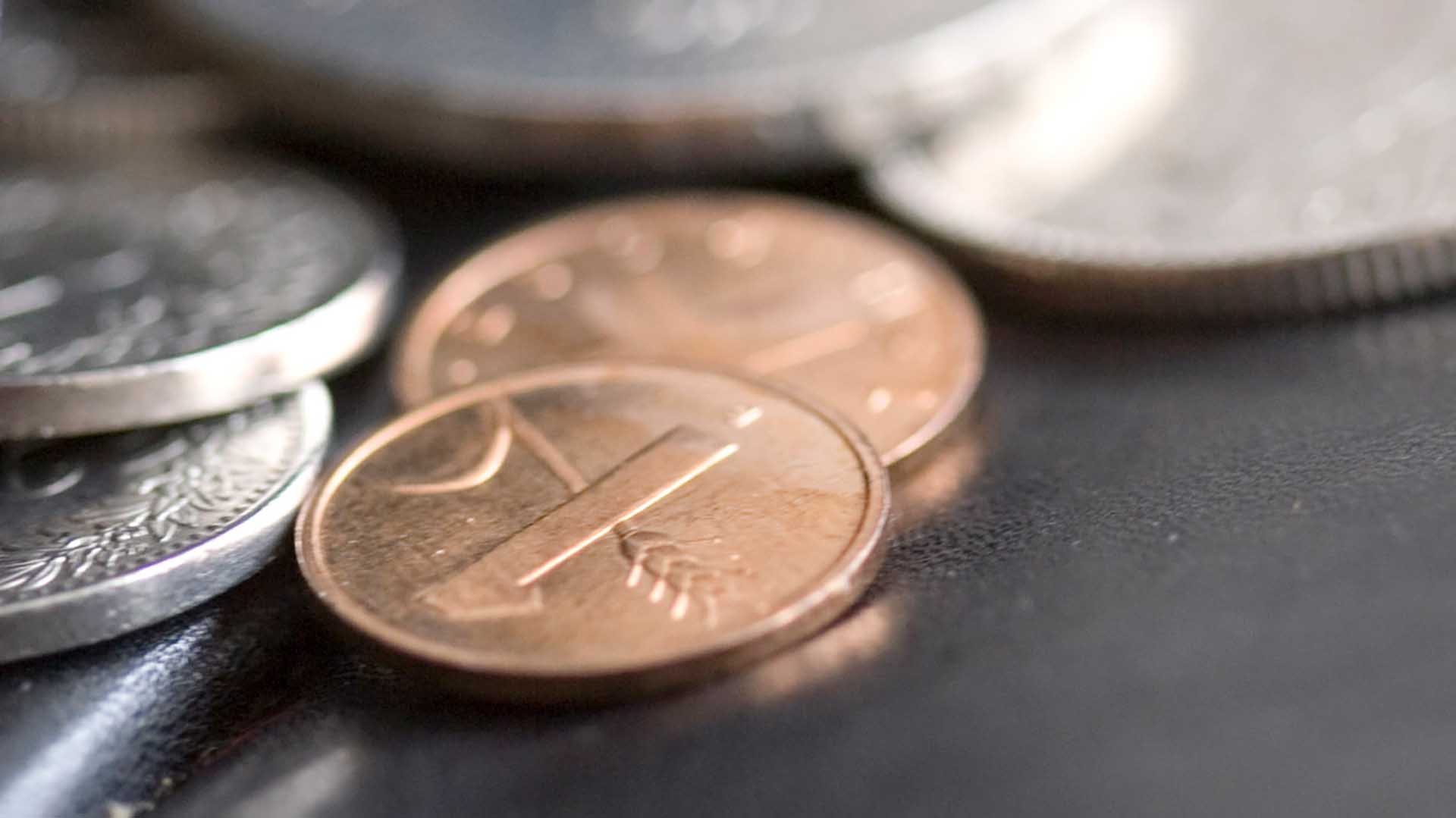
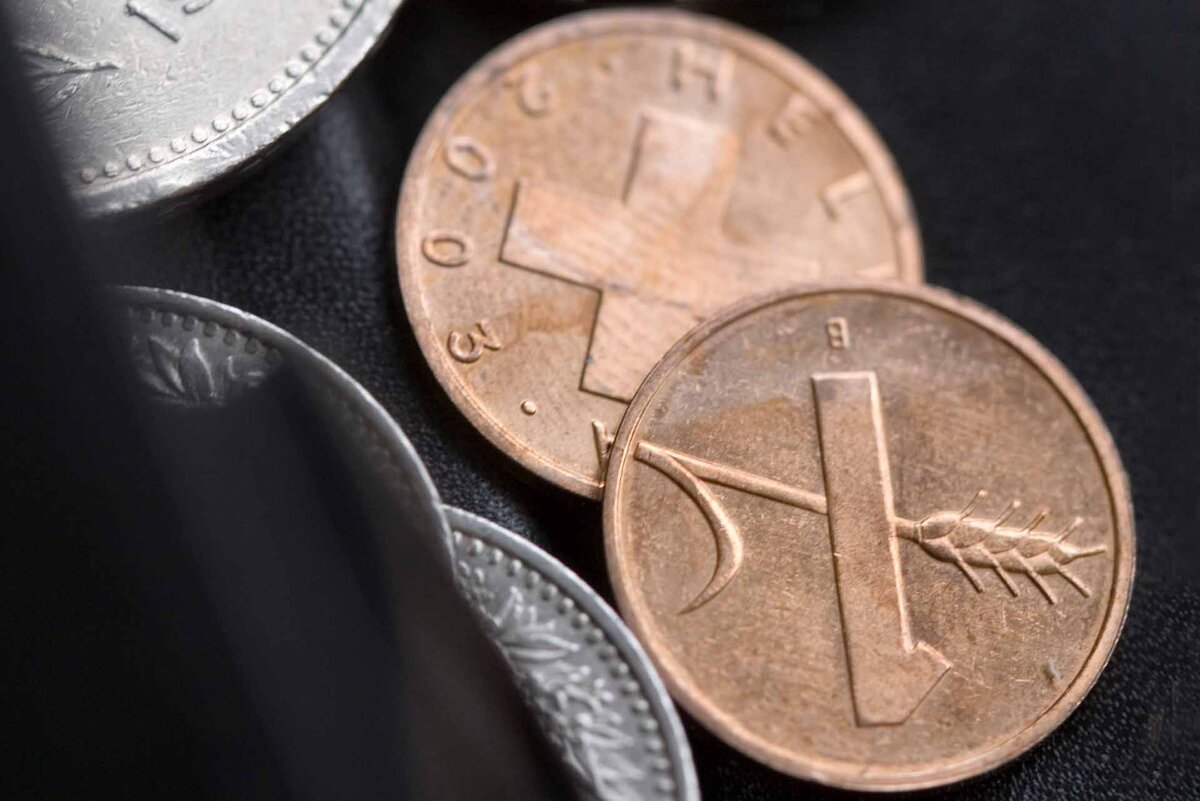
11 centimes was the final production cost per single one-centime coin for the Federal Mint Swissmint, amounting to 11 times its actual face value. Due to these high manufacturing costs, the Federal Council withdrew the coin from circulation on January 1, 2007, bringing an end to its 156-year history in official payment transactions.
Until December 31, 2026, the statutory 20-year period to exchange the coins at the Swiss National Bank remains open. Starting January 1, 2027, the coin—first minted in 1850—will permanently lose its official monetary value after a total of 176 years.
According to estimates, around 239 million pieces with a total value of 2.39 million Swiss francs still lie unexchanged in piggy banks and drawers. Anyone who fails to exchange their 1.5-gram, 16-millimeter bronze coins—composed of 95 percent copper, 4 percent tin, and 1 percent zinc—in time will be left after New Year's Day with only their scrap metal value of just under 0.9 centimes, or around 1.7 centimes on the commodities market.
Unease in the Border Village of Soubey
Insights
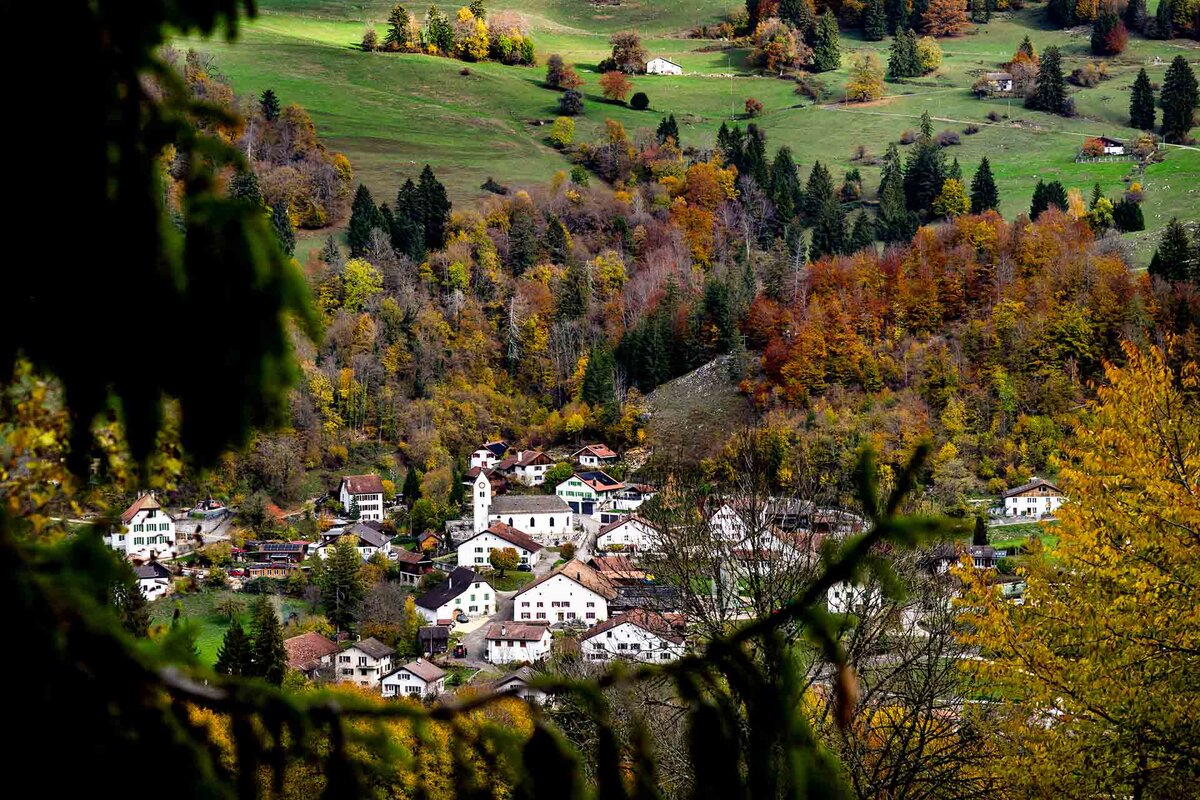
Nestled idyllically between the wooded hills of the Jura and the Doubs border river lies the village of Soubey, home to around 125 souls. Yet behind the tranquil facade of this Jura municipality, a heated debate is simmering over just how much state involvement a community actually needs.
Through the "Soubey Initiative," local entrepreneur Armin Häfliger and Zurich-based consultant Marc-Felix Otto are spearheading an unusual village project. Following their acquisition of the traditional inn "Hôtel du Cerf," they also purchased the old schoolhouse—with the approval of the municipal assembly—to convert it into apartments, studios, and workspaces.
While the village, threatened by depopulation, is hoping for fresh momentum, the vision of a cooperative taking over municipal duties and replacing taxes with voluntary contributions has sparked mistrust. Within the small community, a segment of the population now fears a creeping takeover.
Meanwhile, the cantonal government points to higher-ranking law, which places clear limits on such an outsourcing of state functions. Thus, the international concept of privately organized communities collides in Soubey with the reality of direct democracy—where, ultimately, the municipal assembly decides how people live together.