
Caught our eye in week 17
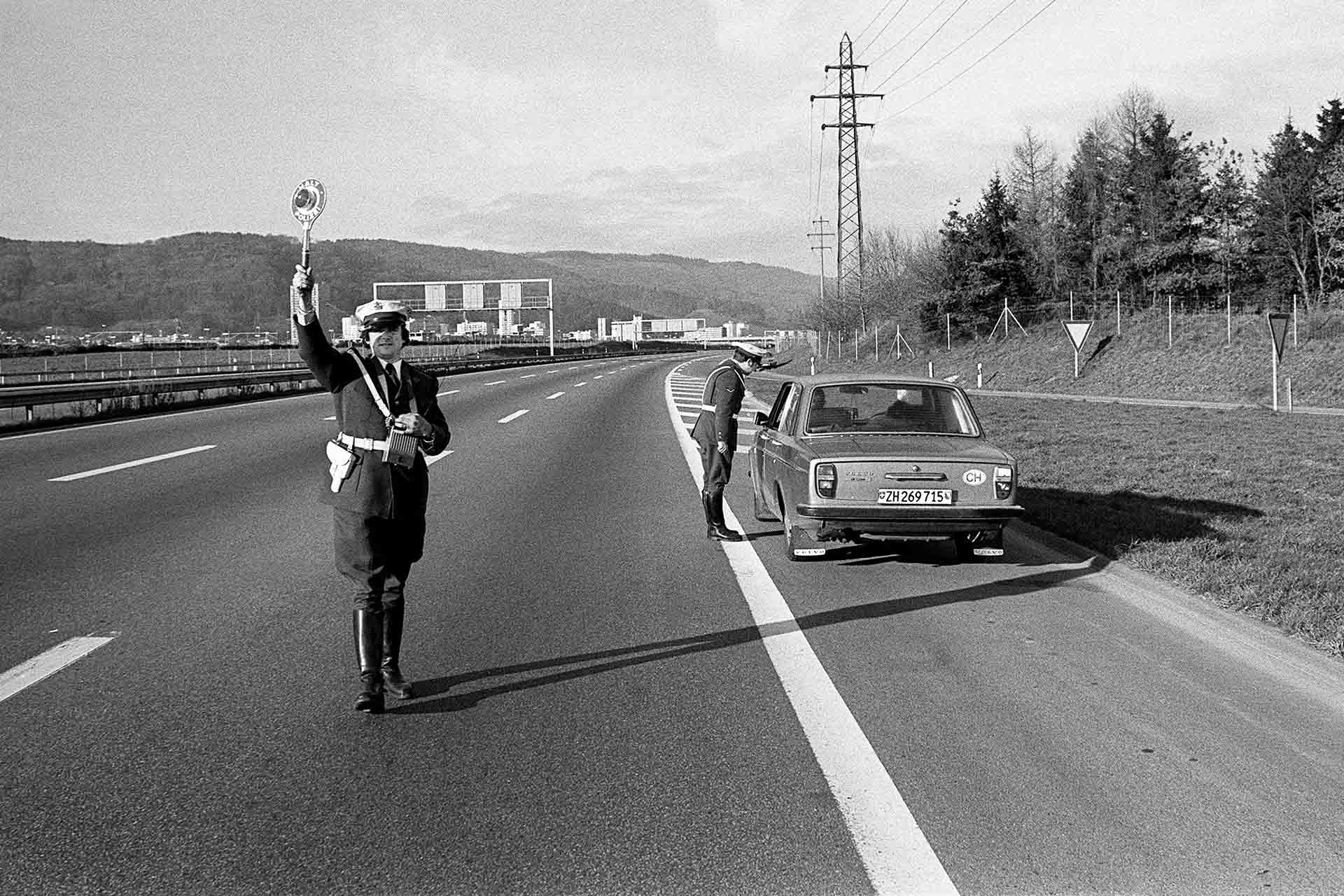
From the world's toughest ski-mountaineering race to energy supply in times of crisis, and from vacancy rates to the hope of still being able to save Timmy. We have selected topics that particularly defined our visual coverage this week.
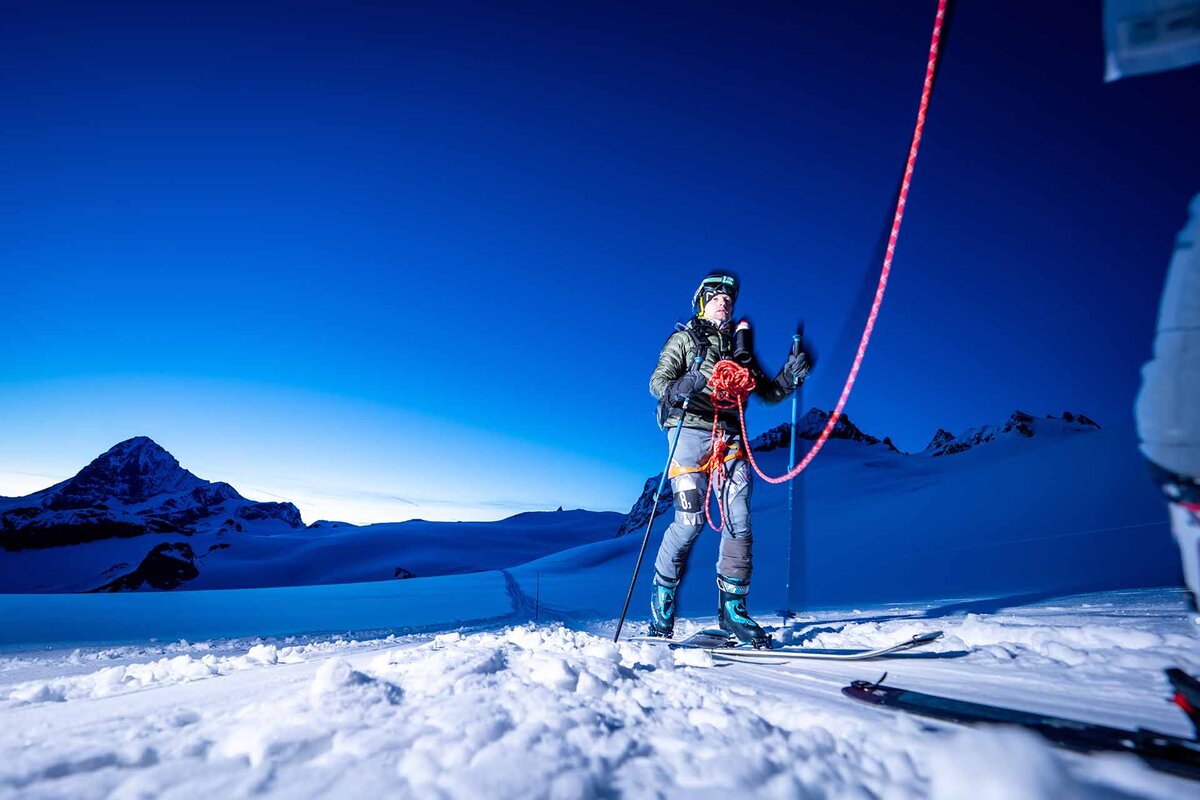
The world's toughest Ski mountaineering race
The Patrouille des Glaciers (PdG) is unrivaled worldwide due to its parameters: the route from Zermatt to Verbier covers 57.5 kilometers with an ascent of over 4,380 meters, equivalent to 110 effort kilometers.
The mandatory three-person rope team must adhere to strict time windows, as the route becomes impassable in sunlight due to avalanche risk and soft snow. In addition to the demanding course, the required heavy equipment increases the challenge.
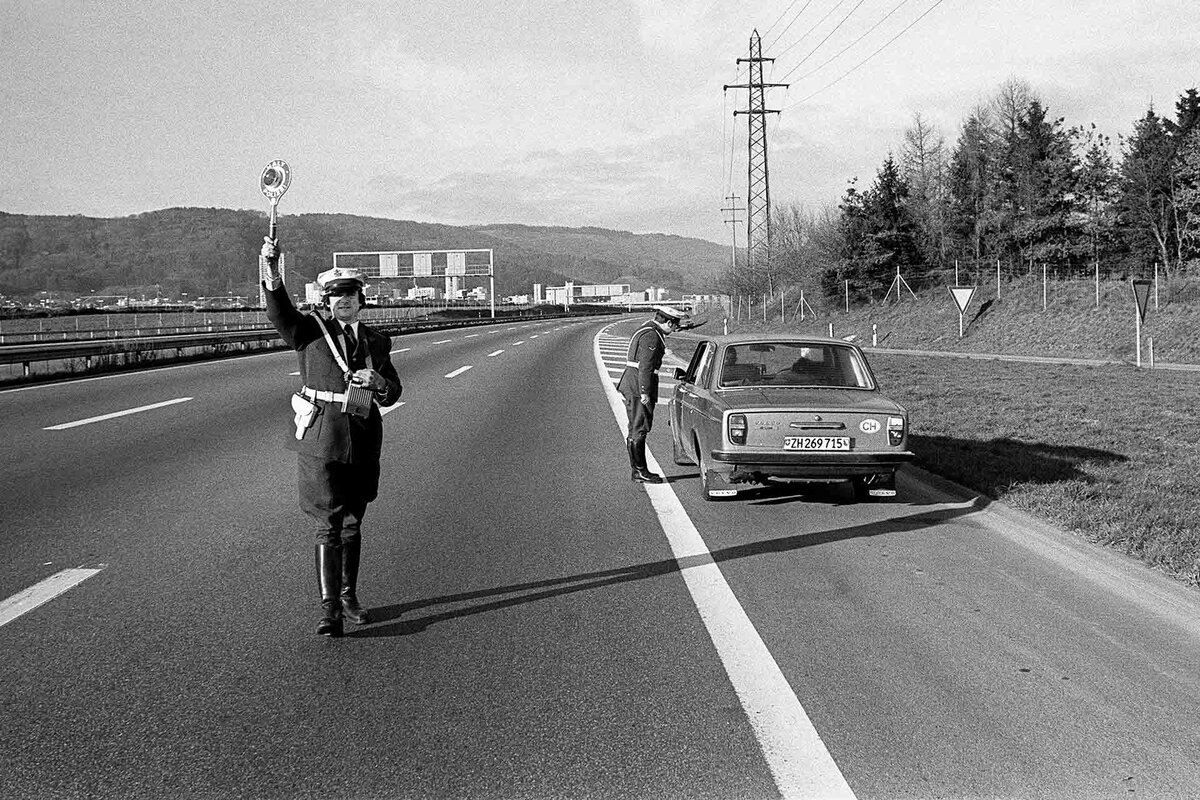
Energy supply: From dependency to strategic reserves
Looking back at the 20th century highlights how heavily Switzerland, lacking significant natural resources, became dependent on global energy markets. As oil, gas, and electricity from nuclear and hydropower formed the backbone of the supply, the historical reliance on fossil fuel imports from unstable regions such as the Strait of Hormuz led to the creation of national compulsory stockpiling.
Current geopolitical tensions in the Middle East demonstrate how quickly logistics chains can come under pressure, bringing facilities like the Mellingen tank farm back into the public focus. With 25 tanks and a capacity of over 700,000 cubic meters, it is the largest tank farm in the country. It ensures a 4.5-month supply of gasoline, diesel, and heating oil.

Number of the week - 0.34
This figure marks the vacancy rate in the Canton of Geneva and illustrates the extreme discrepancy in the real estate market, which recently dominated the SRF Arena debate «Stop the rent madness - but how?». While the market in Geneva is effectively dried up at 0.34 percent, the Canton of Jura recorded the national high of 3.03 percent (source: FSO from September 2025).
The situation remains particularly precarious in Zurich (0.10 percent) and Bern (0.44 percent), while tourism regions like the Engadin effectively offer no more affordable housing for locals despite statistically higher values.
Even though the official figures are updated every fall, this reference value of 0.34 percent remains the authoritative basis for the current debate on the housing shortage.
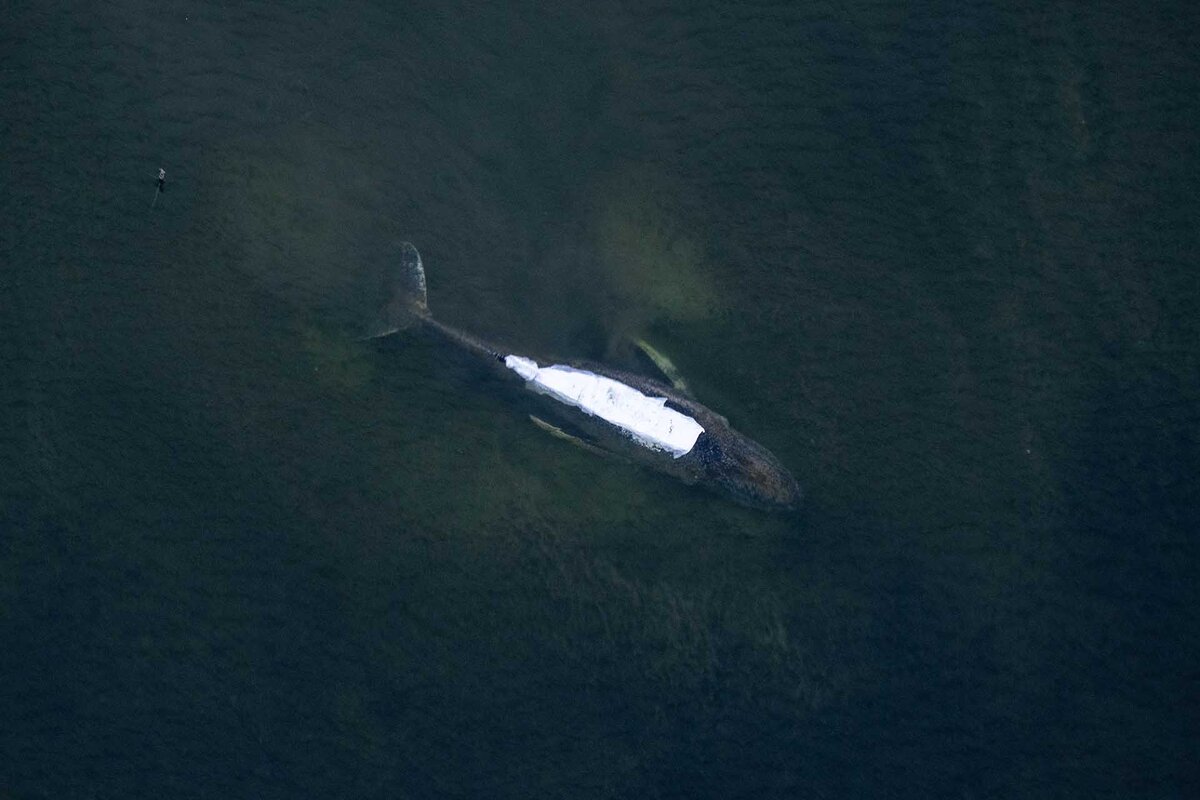
Operation Timmy: A success with question marks
Will the rescue of Timmy the humpback whale succeed after all? The whale, stranded in the Baltic Sea, is capturing the media spotlight, particularly through the efforts of a private initiative to lead the animal into deeper waters using air cushions and special pontoons. A first large-scale rescue attempt at high tide has not yet achieved the desired breakthrough: despite massive efforts, Timmy could not be fully refloated and remains stuck in the shallows.
While the operation continues under high pressure, concern for the animal's health is growing. Experts emphasize that its enormous weight can lead to irreparable muscle damage and organ failure. For the rescuers, it is a race against time.
However, it is already clear: regardless of the outcome, this unprecedented mission provides important insights for future rescue operations and raises global awareness of the dangers stray marine mammals are facing.