
Topics of the Week 16

From a love letter to fiction and historical heritage in Hungary to the economic value added of civilian service and the spirit of community at Lake Zug. We present the images and backgrounds that defined the week.

A Love Letter to Fiction
Polymanga 2026 - more colorful, louder, and more visual than ever before. In just 20 years, the former insider gathering for manga and anime fans has evolved into a pop-culture giant. As the largest event of its kind in Switzerland, the anniversary edition in Lausanne not only broke all records but also proved that cosplay has long since entered the social mainstream.
It is the love letter of a generation that brings fiction to life with impressive precision and craftsmanship.
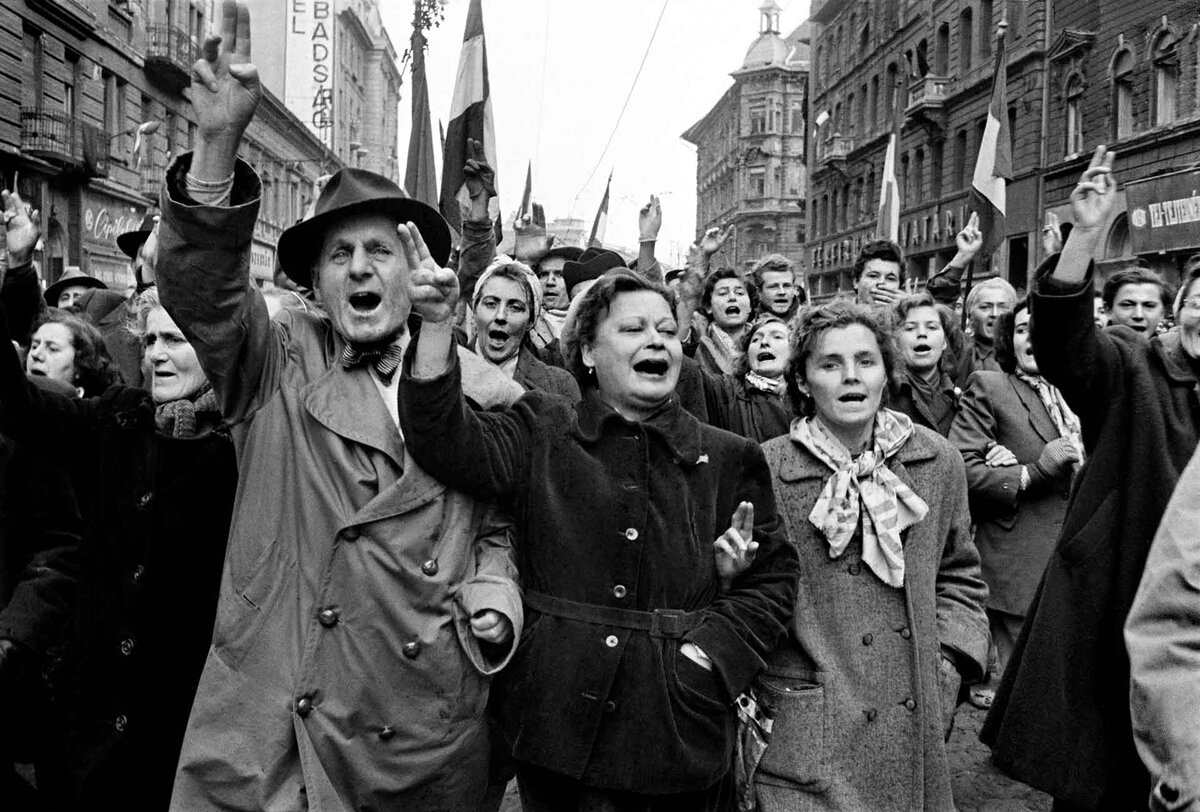
Hungary between yesterday and tomorrow
Images of the 1956 Hungarian Uprising are part of Europe's collective memory. As the first foreign photographer, Magnum member Erich Lessing documented in Budapest not only the destruction but, above all, the will to survive of a population that rose up against Soviet dominance.
Today, following last weekend's elections, we look toward Budapest once again. The historical stages could hardly be more different: the Hungarian Uprising of 1956, the opening of the border in 1989, and the political transformation at the ballot box following the April 2026 Hungarian elections.
The fundamental questions have remained the same over the decades. They involve the struggle between ties to the West and proximity to Russia, between genuine self-determination and politically staged sovereignty.
Further historical highlights
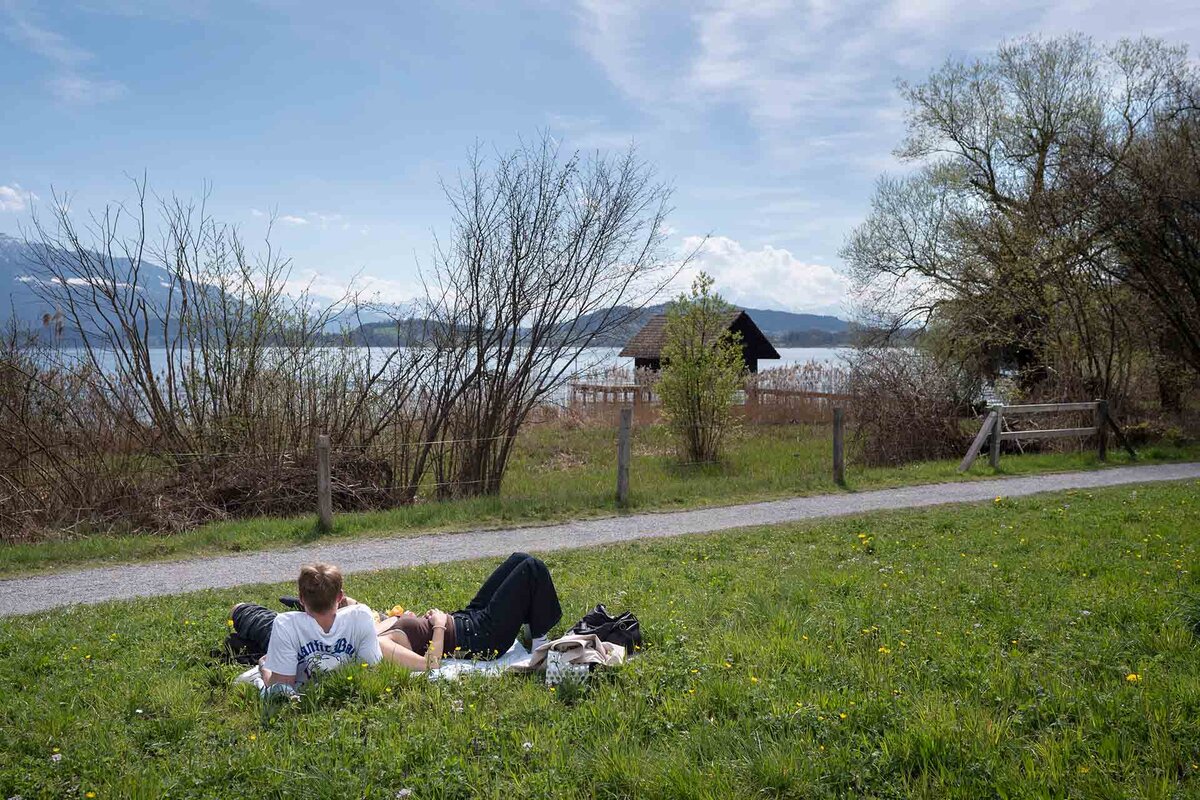
Balancing Nature and Growth at Lake Zug
In one of Switzerland's most densely populated regions, the Lorzen plain in Zug has been named Landscape of the Year 2026. The two-kilometer-long strip between Cham and Zug proves that valuable open spaces can survive despite massive development pressure and economic growth.
This interplay of nature conservation, agriculture, and recreation is the result of farsighted planning: after development projects failed, the 2004 settlement boundary line secured the area. Today, the plain serves as a model for the coexistence of economic growth and landscape protection.
Our photographer Gaëtan Bally visited this special retreat and documented what coexistence at Lake Zug looks like in practice.