
Topics of the Week 25
From the Women's Tour de Suisse and 50 years of Swiss open-air festivals to the benefits of alpine solar power and the shifting of cantonal borders - we explore Swiss perspectives up and down the country. Let yourself be inspired!
Women in the Spotlight of the Cycling Summer
Spotlight
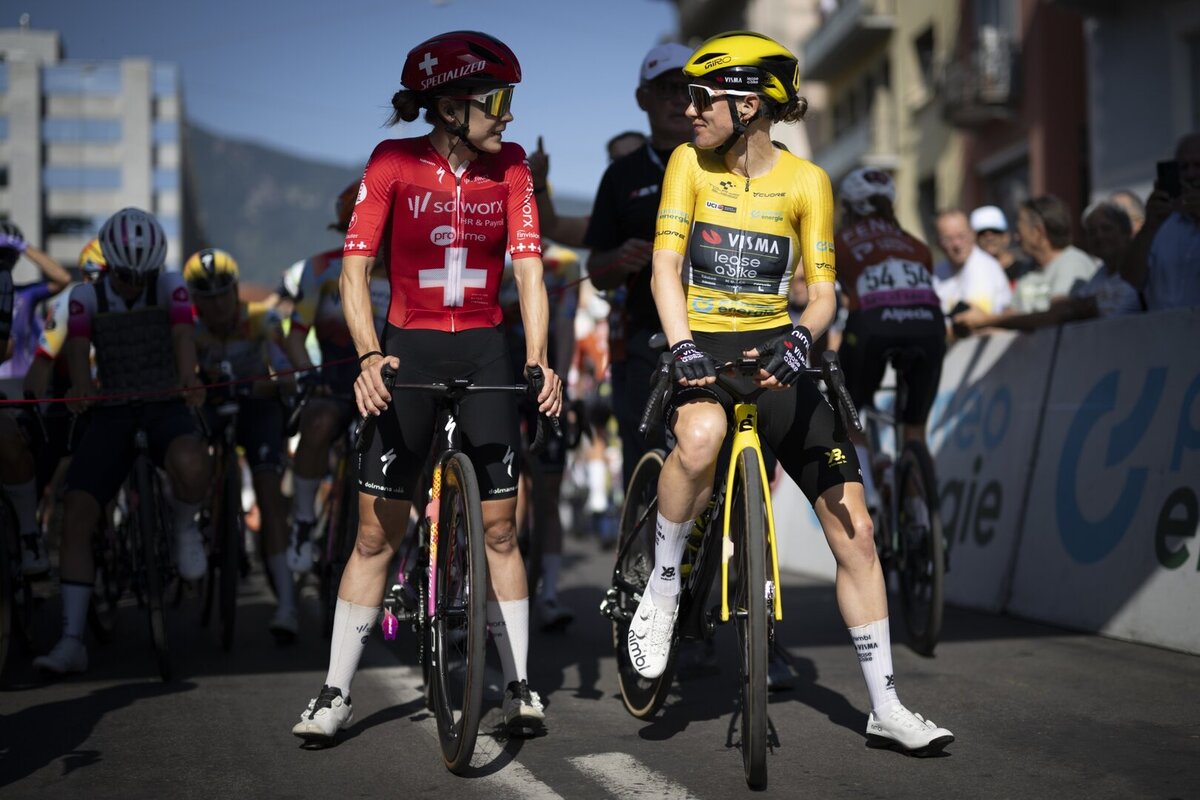
These days, from June 17 to 21, 2026, the Women's Tour de Suisse is rolling through the country. For the first time, the tour has been extended to five days and takes place on largely identical routes parallel to the men's race - a logistical and sporting challenge from Locarno to the high terrain of Villars-sur-Ollon.
The star-studded home race is considered the ultimate dress rehearsal for the international top echelon ahead of the Grand Départ of the Tour de France Femmes. This will be held for the first time in Switzerland, in Lausanne, on August 1, 2026. Within a few weeks, Switzerland will thus firmly move into the epicenter of global women's cycling.

For over 50 Years: Open-Air Festivals in Switzerland
Retrospective
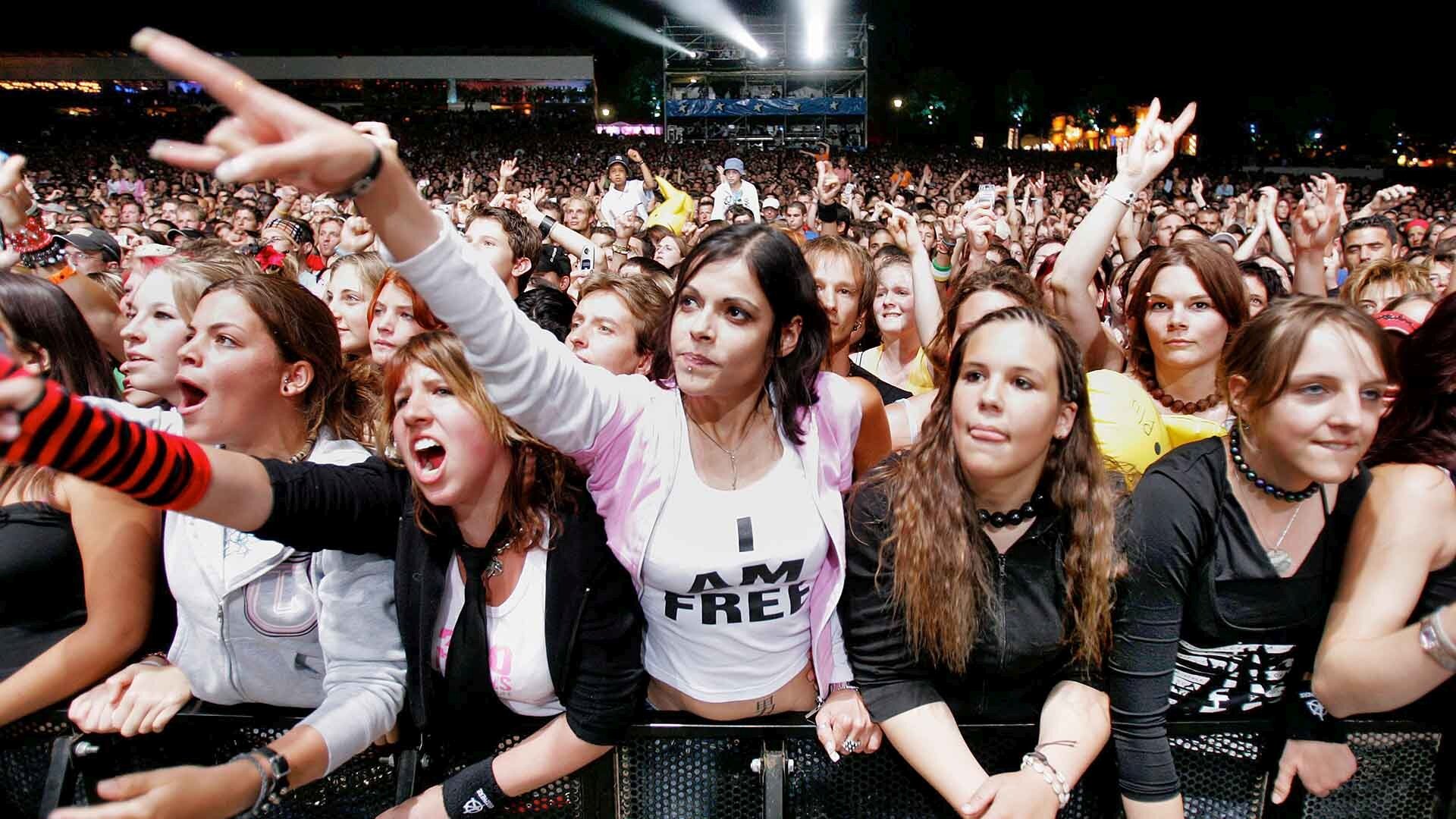
Today, Switzerland has one of the densest festival landscapes in Europe. The open-air festivals in Switzerland, which draw masses of people in the summer, began in the 1970s as a musical and social experiment. Inspired by international models such as Woodstock, local festivals quickly evolved from alternative youth gatherings into gigantic cultural events.
The foundation was laid in 1972 by the legendary Folk Festival on the Lenzburg. Exactly 50 years ago, in 1976, the Paléo Festival (then known as the Nyon Folk Festival) was founded, and the Openair St. Gallen followed just one year later in 1977.
These pioneers - later joined by Out in the Green in Frauenfeld (now Openair Frauenfeld) - not only shaped Swiss pop and rock history but also constantly reflected social change. Despite modern infrastructure and changing musical styles, the fascination has remained the same for half a century: the ritualistic, collective experience of live culture away from everyday routine.
13'860
Numbers
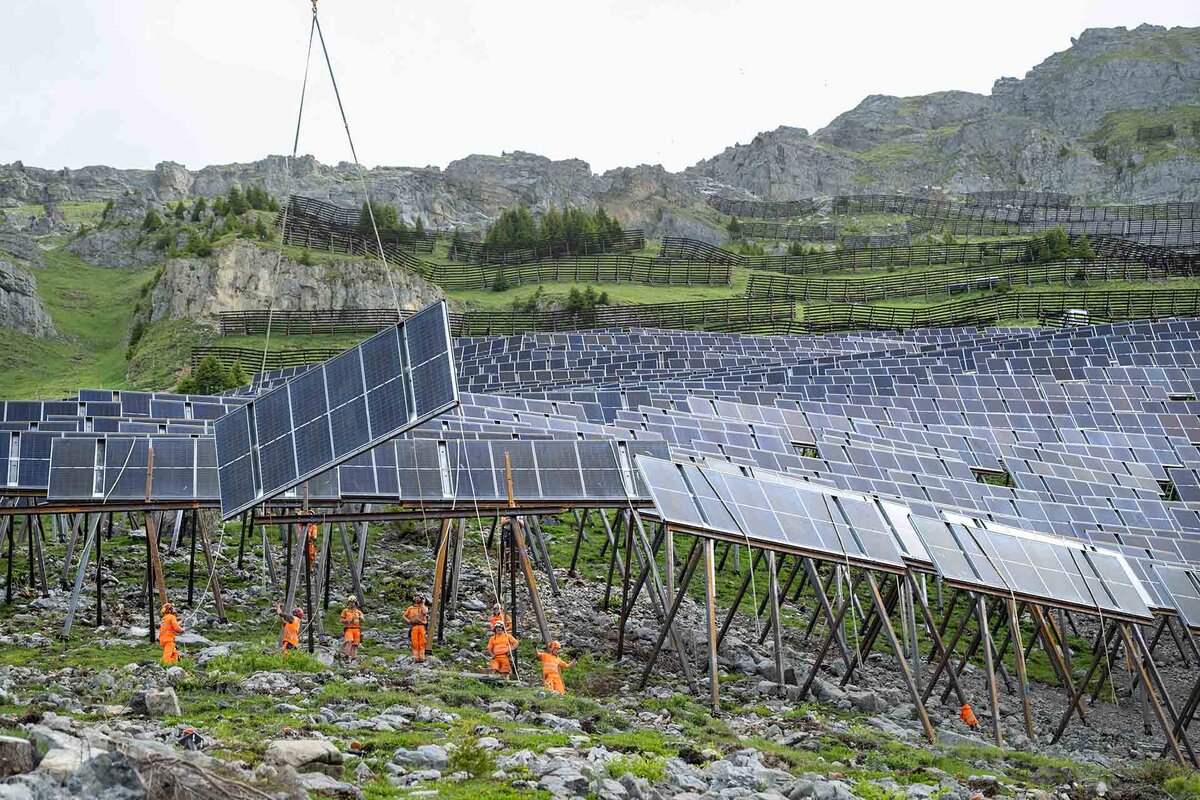
A logistical and technical feat at over 1,800 meters above sea level: the installation of 13,860 solar modules for Central Switzerland's first large-scale alpine photovoltaic plant is currently underway in the Schächental valley in the canton of Uri. A new flagship project for the Swiss energy transition is taking shape on an area of almost eleven hectares at Sidenplangg.
Once fully completed, the high-alpine plant is expected to reach a capacity of 8.04 megawatts peak and produce around 12.5 gigawatt hours of electricity annually. Since the solar modules at this altitude are mostly above the fog line and also benefit from the reflection of the snow cover, alpine plants generate a disproportionately high yield during the winter months compared to the lowlands.
Why Fribourg and Vaud are shifting their border
Insights
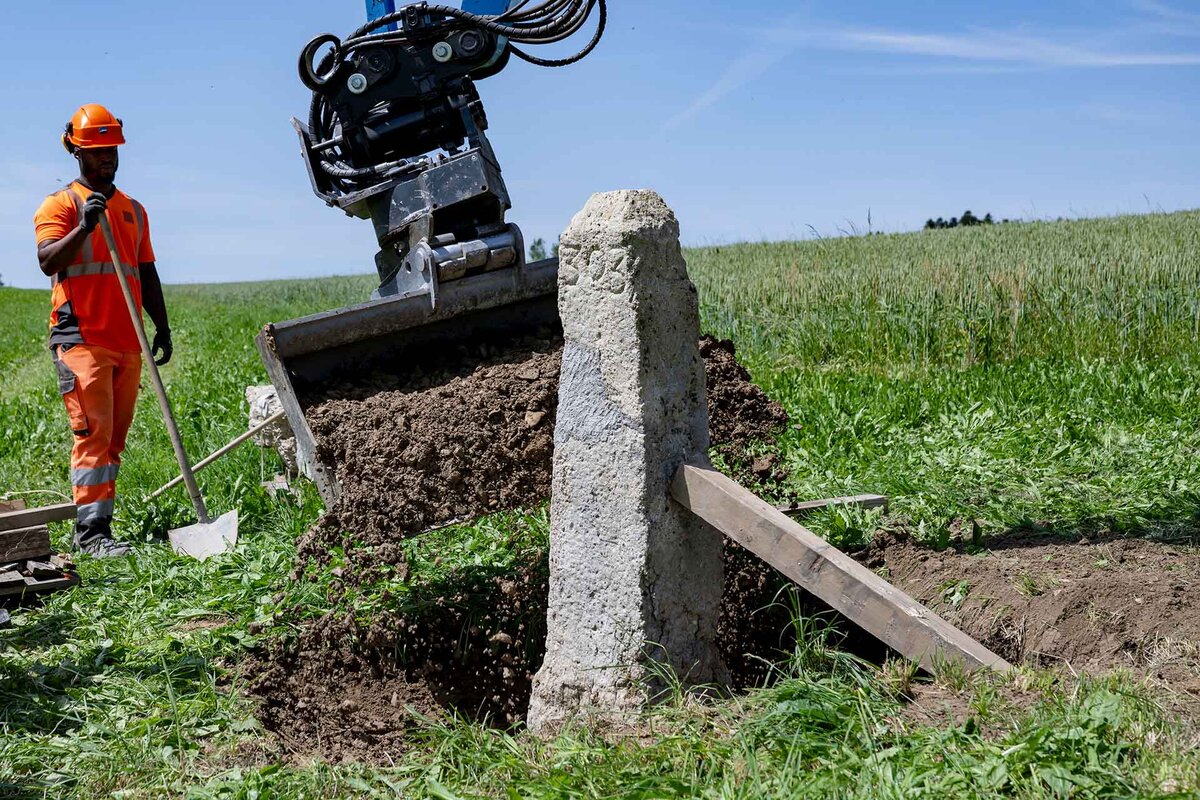
Territorial shifts in Europe are usually a case for the evening news - in Switzerland, an agricultural land consolidation is enough. An extremely rare maneuver was carried out this week in the Fribourg municipality of Siviriez: the official cantonal border between Fribourg and Vaud was redrawn. The historic boundary stones had to be moved to bring the official national map into line with the actual, new ownership structures in the cultivated land.
The affected stone witnesses, decorated with coats of arms, mostly date from 1727 and were carefully relocated under the watchful eye of the authorities. The fact that the process took place without diplomatic friction is due to its precise execution. In the end, the land exchange worked out to exactly zero to zero. Neither of the two cantons loses a single square meter of territory to its neighbor.