
Topics of the Week 26

From the devastating combination of extreme heat and a severe weather tragedy to the historic birth of Zurich Kloten Airport and the surprise visit of a Swiss NBA giant to the World Cup camp, all the way to the unexpected turnaround in the 2027 federal budget. We accompany the stories of the week with journalistic added value

Extreme weather shakes Switzerland
In the spotlight
This week in Switzerland is marked by the year's first massive heatwave. With temperatures reaching up to 36 degrees, fans and air conditioning systems are running at full capacity. The burden in classrooms is sparking a political debate. Since the traditional "heat-free" days off were abolished in the 1980s and a duty of care applies, the teachers' association is now demanding national minimum standards and structural heat protection measures for overheated classrooms.
The radical turn in the weather showed how dangerously charged the atmospheric conditions were. Severe storms hit the city of Zurich in particular last Friday, triggering over 270 emergency rescue operations due to extreme wind gusts, hail, and heavy rain. While fallen trees blocked tram traffic in the city center, a tragic accident occurred in Seefeld: a 16-year-old youth was struck by a falling branch and succumbed to severe injuries in the hospital.
In another image gallery, we look back at previous heatwaves in Switzerland.
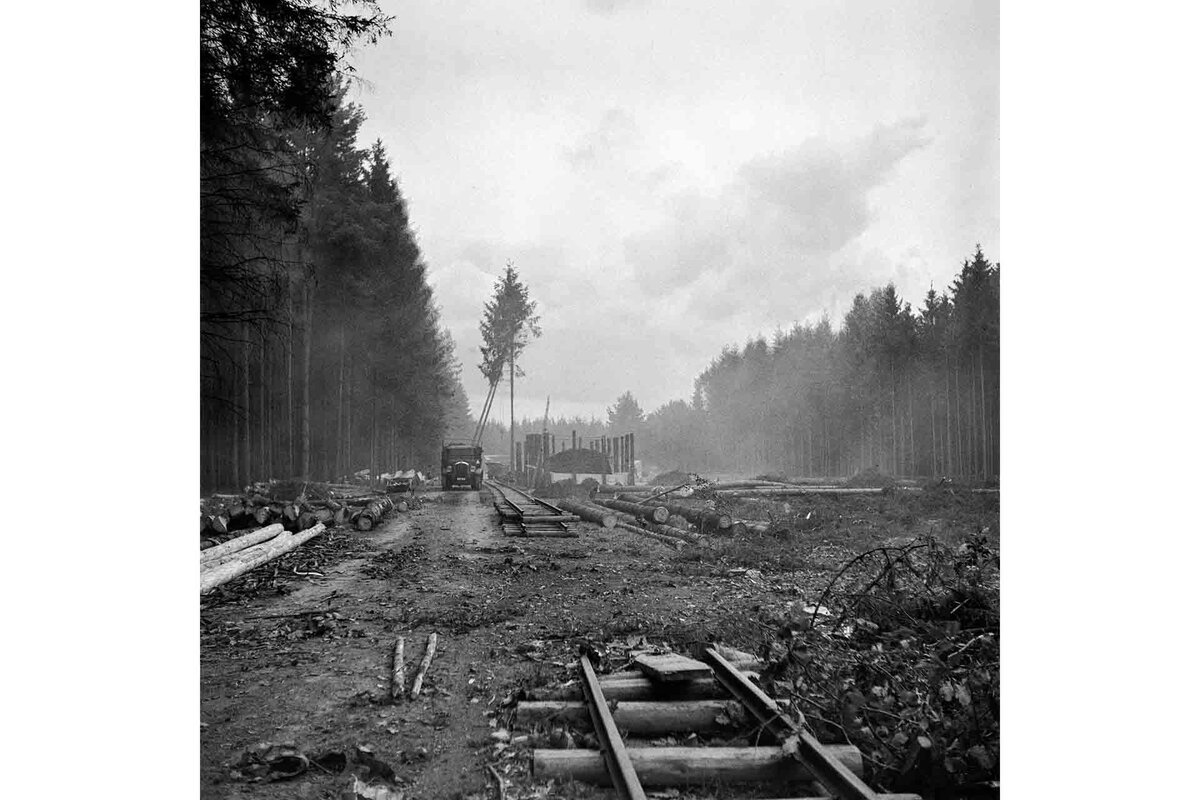
The day Kloten learned to fly
Flashback
On July 1, 1946, the first excavators roll onto the fields of Kloten. It is the inconspicuous start of construction on a project that would change Switzerland forever. A bold venture in the post-war period back then, it is our gateway to the world today. When we fly off on vacation today, we stand on the foundation laid exactly 80 years ago in this calendar week. The west runway was opened on June 14, 1948, followed five years later by the festive inauguration of the new airport (August 29–31, 1953).
The fact that Kloten was chosen over Utzenstorf near Bern, which was politically favored, was due to resistance from Bernese farmers and the ideal, flat conditions at the edge of the fog zones of the former artillery firing range in the canton of Zurich. While flight operations started in 1949 with a modest 12,500 flight movements, the airport now handles over a quarter of a million takeoffs and landings annually. In a European comparison, Zurich-Kloten holds its ground as a leading premium hub for quality and punctuality thanks to its highly efficient processing and multiple awards.

2,13
By the numbers
During the training session of the Swiss national soccer team, an extraordinary visit causes a media buzz. Standing at 2.13 meters tall, the giant Yanic Konan Niederhäuser clearly towers over national coach Murat Yakin (height 1.86 meters) and his team.
Yanic Konan Niederhäuser is currently the biggest Swiss basketball talent. The 22-year-old center from Bern recently made the leap to the North American professional league NBA with the LA Clippers – the strongest and commercially most successful basketball league in the world. Following Thabo Sefolosha and Clint Capela, Niederhäuser is considered the next big Swiss future hope in top-tier US sports and used the off-season for a motivational visit to his soccer colleagues.
In order not to gamble away the dream of the round of 16 in North America prematurely, losing is forbidden. And lo and behold: Murat Yakin's team wins 2-1 against co-host Canada in Vancouver. Our photographer Peter Klaunzer captured the celebration.
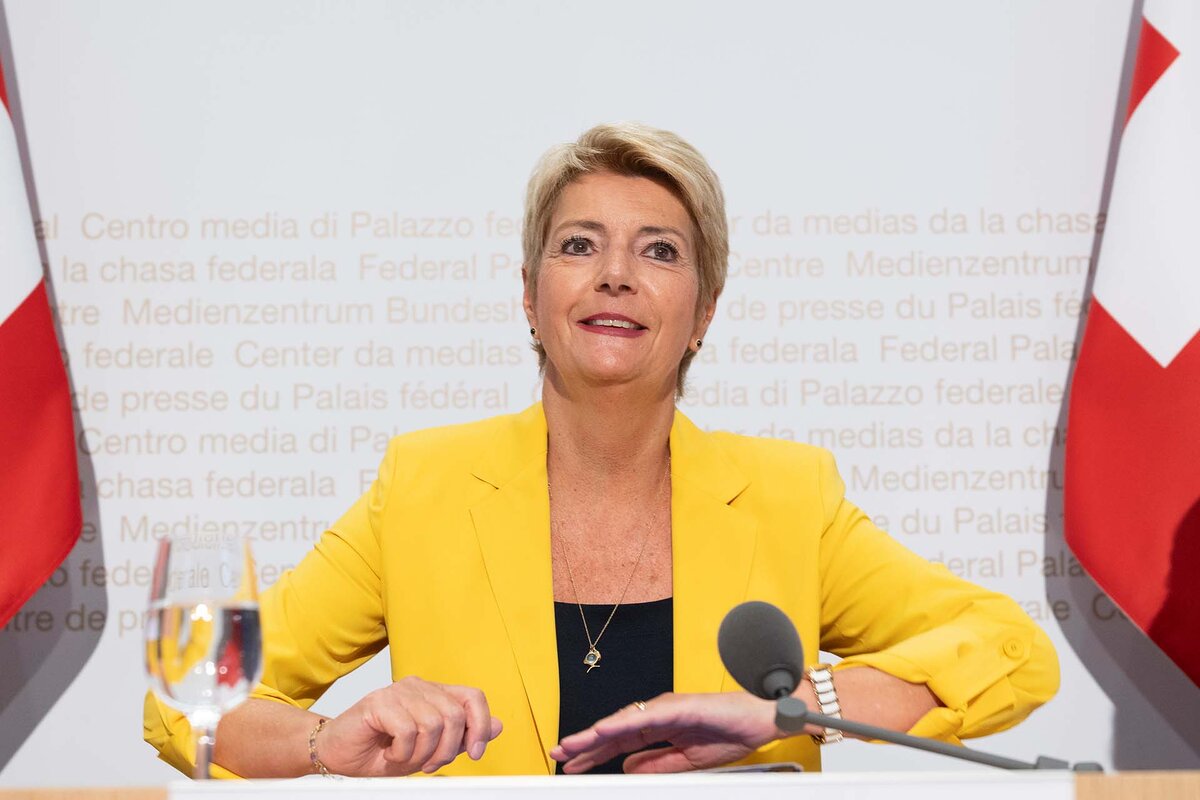
Budget turnaround for 2027
Insights
Finance Minister Karin Keller-Sutter surprised everyone this week with pleasing news regarding the 2027 federal budget. Instead of the 600 million franc deficit threatening in the spring, the Federal Council is completely waiving a new round of austerity measures.
The reason is a massive upward correction of corporate taxes: thanks to flourishing corporate profits – especially from the pharmaceutical industry in the cantons of Lucerne, Zurich, and Basel-Stadt – the federal government has around 1.8 billion francs more at its disposal than estimated in February. Complying with the debt brake, a structural surplus of nearly 180 million francs results for 2027, which relieves the fiscal pressure from the budget debates.
The gained leeway has tangible political consequences: the planned value-added tax increase to cover the accelerated armament expenditures of the military does not have to rise by 0.8 percentage points as proposed in the consultation process, but can be reduced to a more moderate increase of 0.5 percentage points.