
Topics of the Week 35
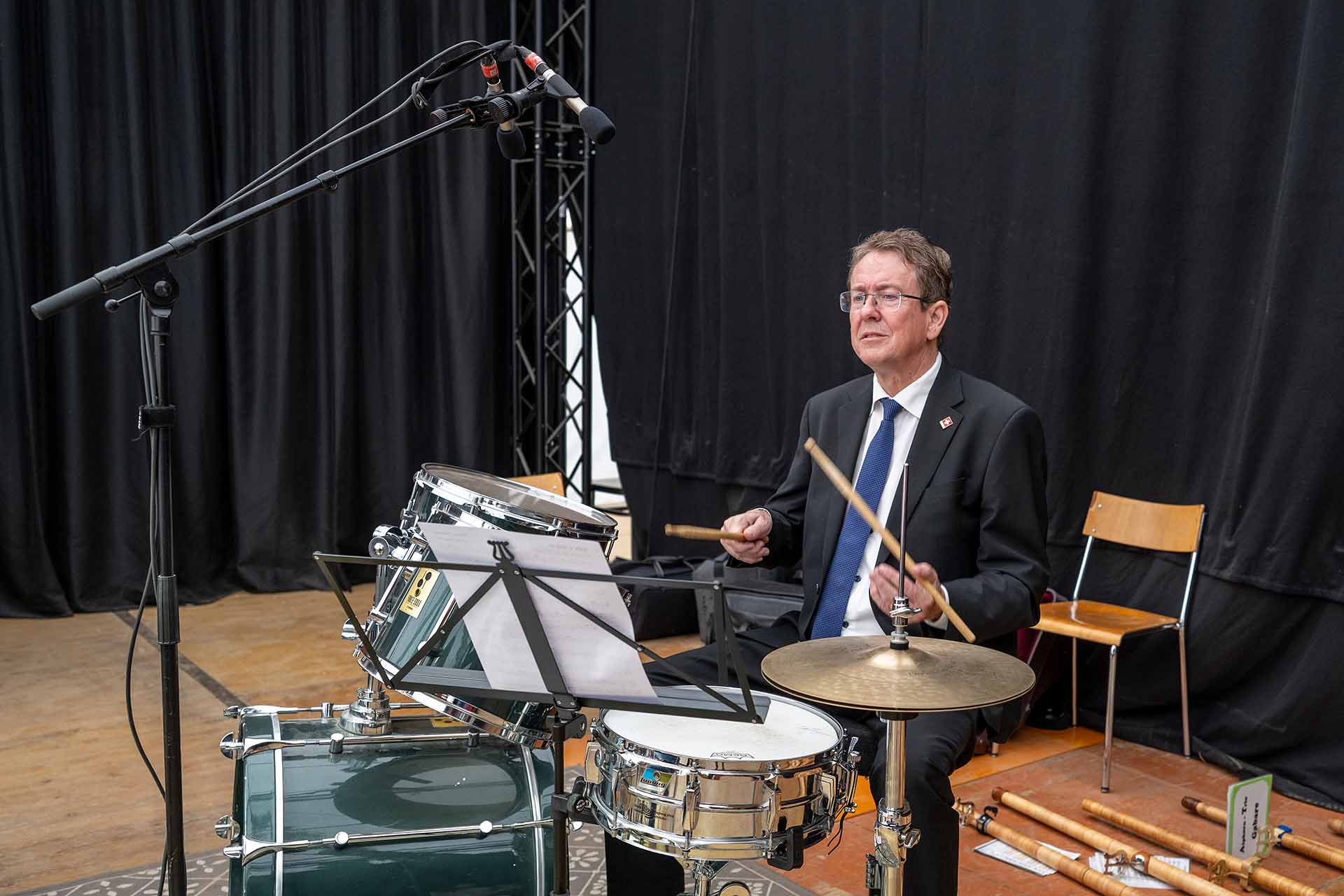
The topics of the week range from Albert Rösti's drought package with a drumbeat, to the impending glacier collapse above Randa, to the spectacular journey of the 174-year-old whale and contemporary art in Chur. Discover the state and future of the country right here!
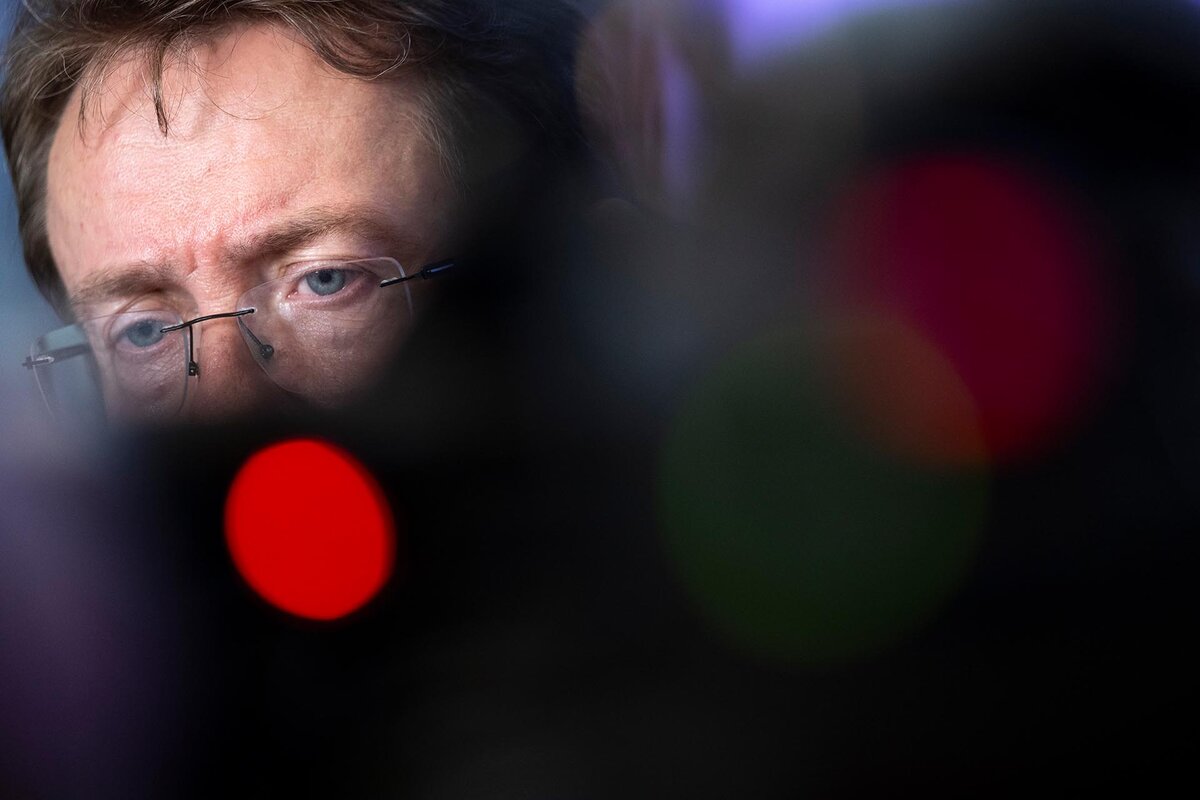
Federal Council reacts to summer heatwave
Spotlight
Following the prolonged drought and record temperatures, the Federal Council presented a package of measures this week: a one-time allocation of 54 million francs for farming businesses threatened in their existence, and 17.5 million francs annually for forestry. The national government is thus reacting to the lack of rainfall, which is putting a heavy strain on agriculture, forests, and power generation.
The decisions highlight the political debate in the Federal Palace: while the Federal Council is providing short-term drought relief and fighting the bark beetle in the forest, the opposition is harshly criticizing the package. The SP, Green Party, and GLP called for an extraordinary debate in the autumn session as well as a change of course in climate policy.
Environment Minister Albert Rösti rejected the criticism and emphasized the federal government's ability to act. Specific measures, such as heat protection in nursing homes, are the responsibility of cantons and municipalities.
The Environment Minister himself provided a striking image: on Wednesday, Albert Rösti appeared before the Federal Palace media to present the multi-million package against the consequences of the drought - just three days after he had performed as a drummer keeping the beat in the festival tent at the Trychler festival in Schüpfen on Sunday
Is history repeating itself?
Flashback
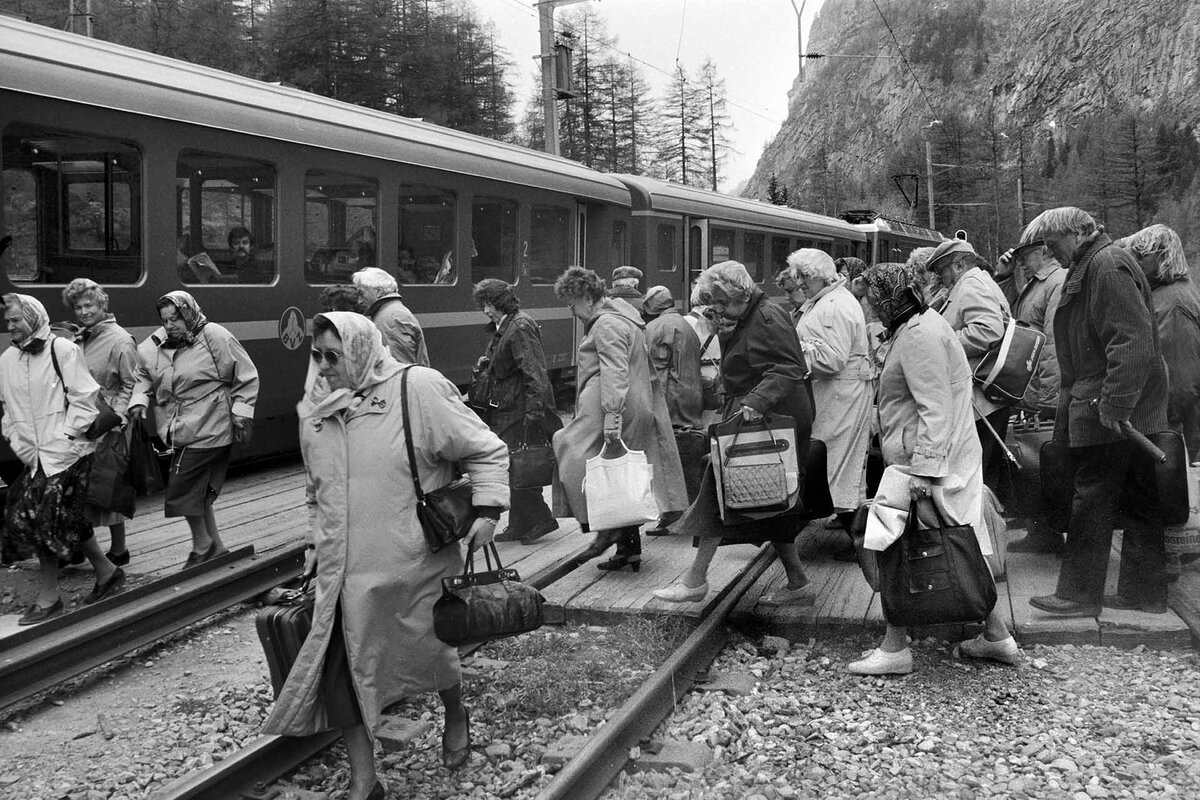
After three consecutive rockfalls near Randa VS in the Mattertal, the residents are evacuated and rush onto the train: the photo from May 1991 documents one of the most dramatic natural disasters in the canton of Valais. Within a few weeks, around 30 million cubic meters of rock thundered into the valley, burying the transport routes to Zermatt and damming up the Matter Vispa river.
35 years later, Randa VS is once again the focus of geologists. Since June, specialized agencies have registered a significant increase in movement on the Weisshorn East hanging glacier. Due to the persistently high temperatures, more meltwater is reaching the glacier bed, where it acts like a lubricant and accelerates the flow rate of the ice masses.
Following several collapses at the beginning of the week, the municipality increased monitoring to level 3, which includes close radar observation as well as the closure of the endangered perimeter.
174
Numbers
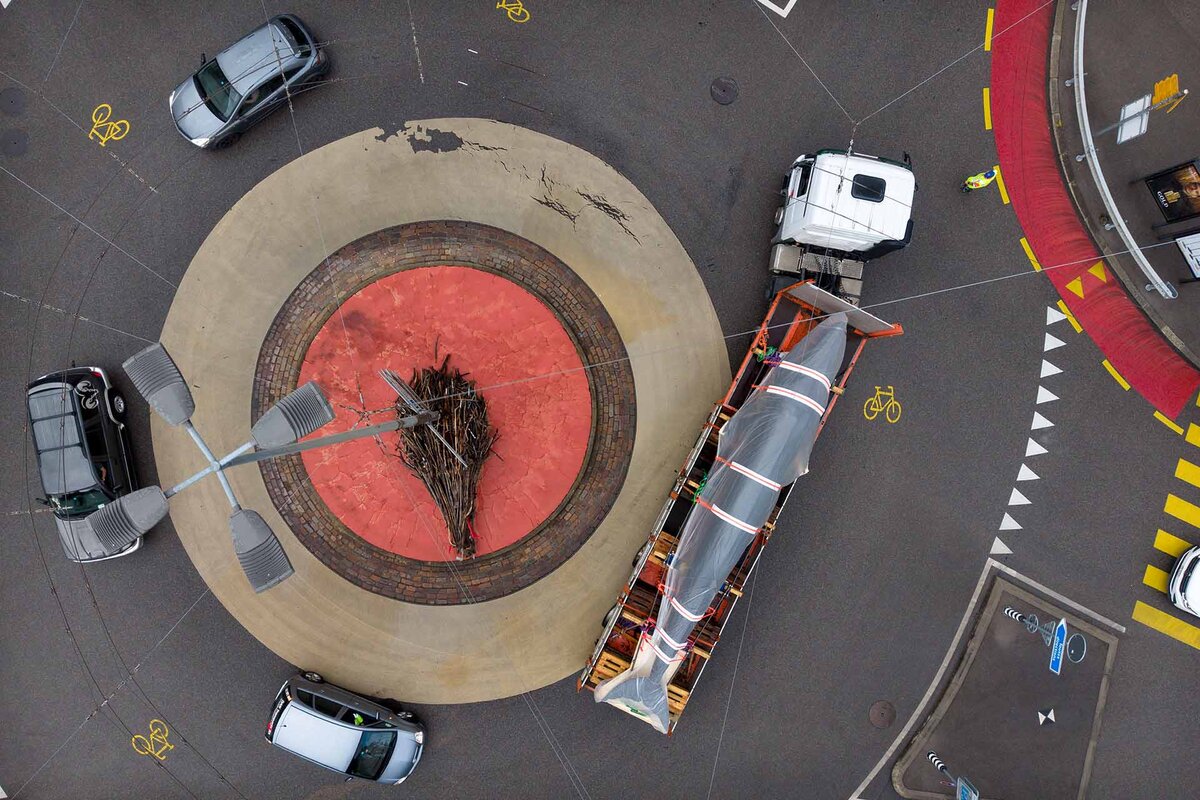
174 years of history, 11 meters long, and 1.6 tons in weight: the prepared skeleton of a sei whale has changed its location. Using a special crane and a low loader, experts transported the historical museum piece across Fribourg, from the previous Natural History Museum (MHNF) to the former armory on the Route des Arsenaux, about one kilometer away.
The two-hour heavy transport over a straight-line distance of 600 meters marks a key stage in the institution's relocation as its very first exhibit. At the destination, the skeleton of the whale, which was stranded in France in 1852 and exhibited in Fribourg since 1898, will be stored in a custom-made, air-conditioned wooden crate. The museum's landmark figure will remain protected there until it's integrated into the new permanent exhibition. The reopening of the MHNF at the new location is planned for late 2028.
State and future of the world
Insights
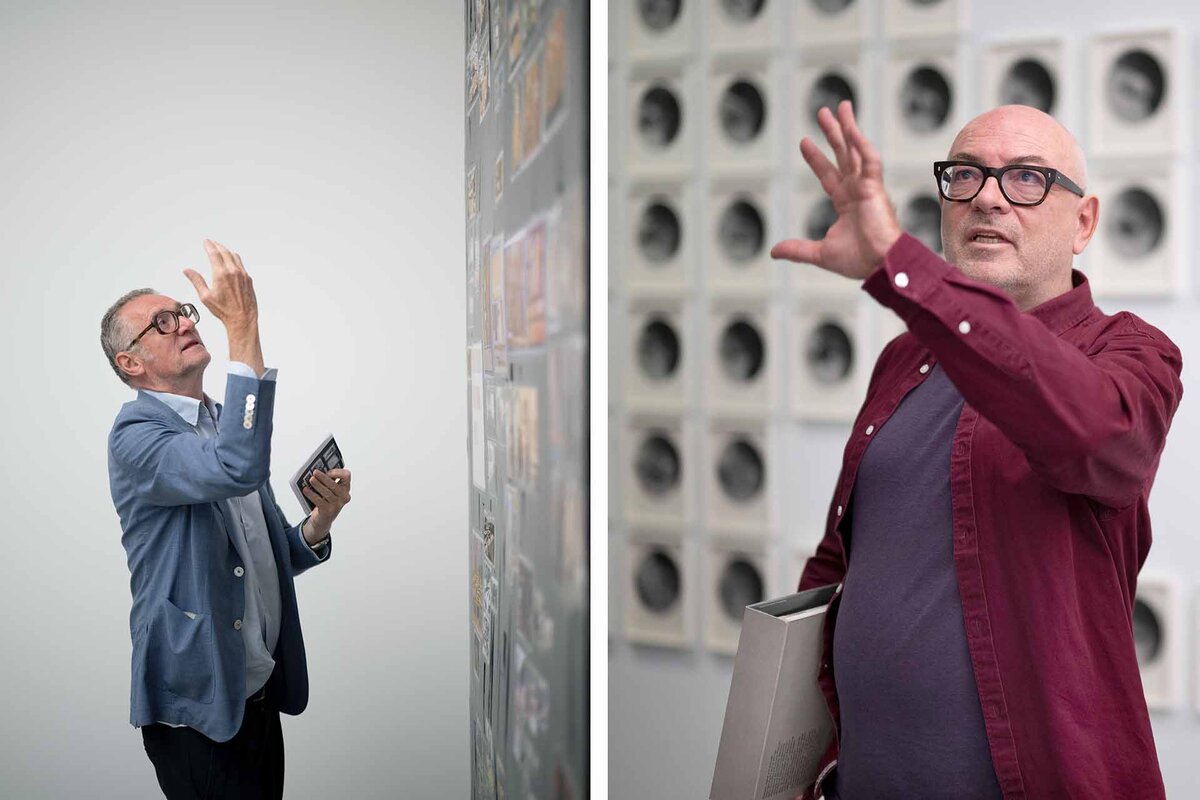
With the parallel exhibitions by Thomas Hirschhorn ("My Atlas") and Jules Spinatsch ("1964-2155"), the Bündner Kunstmuseum in Chur is presenting two internationally influential Swiss contemporary artists. The dual exhibition brings together works operating at the intersections of aesthetics, politics, and documentation.
"My Atlas" is understood as a personal cartography in which Thomas Hirschhorn confronts his own thinking ("My") with the state of the world ("Atlas"). Instead of a classic retrospective, the artist reveals his visual archive on 45 large-format cardboard panels - a walk-through structure made of materials, sketches, and political stances.
Jules Spinatsch, on the other hand, opens a time window of 191 years in "1964-2155", stretching from his birth year into a speculative future. With semi-automatic panorama projects, for instance from the WEF in Davos, the Grisons native addresses the control mechanisms of the media society.
The dual exhibition in Chur thus sheds light on central questions of contemporary art regarding power structures, surveillance, and personal responsibility.