
Topics of the Week 44

This week, we look at global elections unfolding at Swiss polling stations, analyze Migros's historic leadership overhaul, quantify the road salt reserves stockpiled for the Swiss winter service, and report on how hospitals in Geneva and Zurich hermetically sealed off an Ebola emergency.
Global Politics at Swiss Ballot Boxes
Spotlight
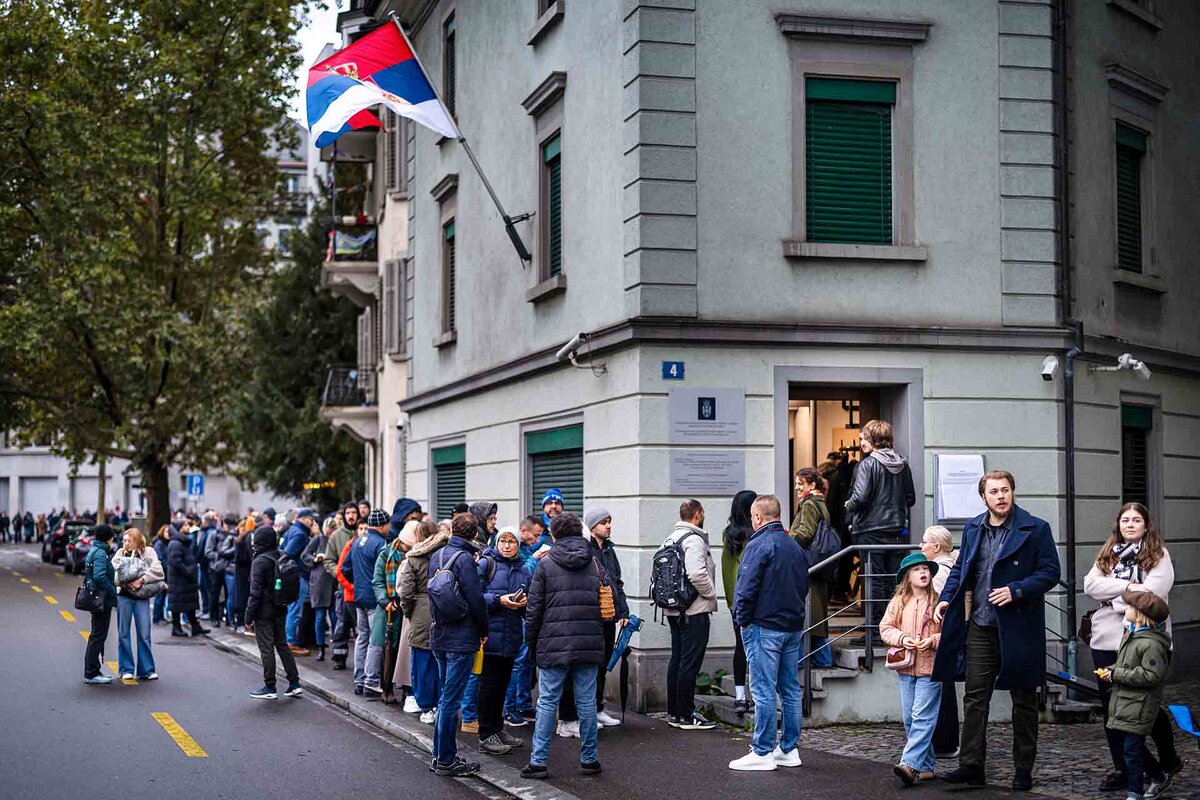
Long queues snaking outside consulates and embassies defined the street scene across Zurich, Bern, and Geneva in recent days. With elections taking place across the globe, international political fault lines were reflected directly on Swiss pavements.
While Serbian citizens lined up outside the General Consulate in Zurich to cast their ballots in parliamentary elections, the Brazilian and Israeli communities in Switzerland closely watched the polls in their home countries.
These elections directly impact tens of thousands of people living in Switzerland: more than 60,000 Serbian nationals form one of the country’s largest diaspora communities, alongside roughly 20,000 Brazilians and over 20,000 US citizens preparing to help shape the balance of power in Washington during next week's highly anticipated midterms.
From surprise outcomes in Belgrade to razor-thin margins in South America and high-stakes suspense in Israel: these pivotal global decisions are followed and felt just as intensely at kitchen tables between St. Gallen and Geneva.
Only One Grill Master Left
Flashback
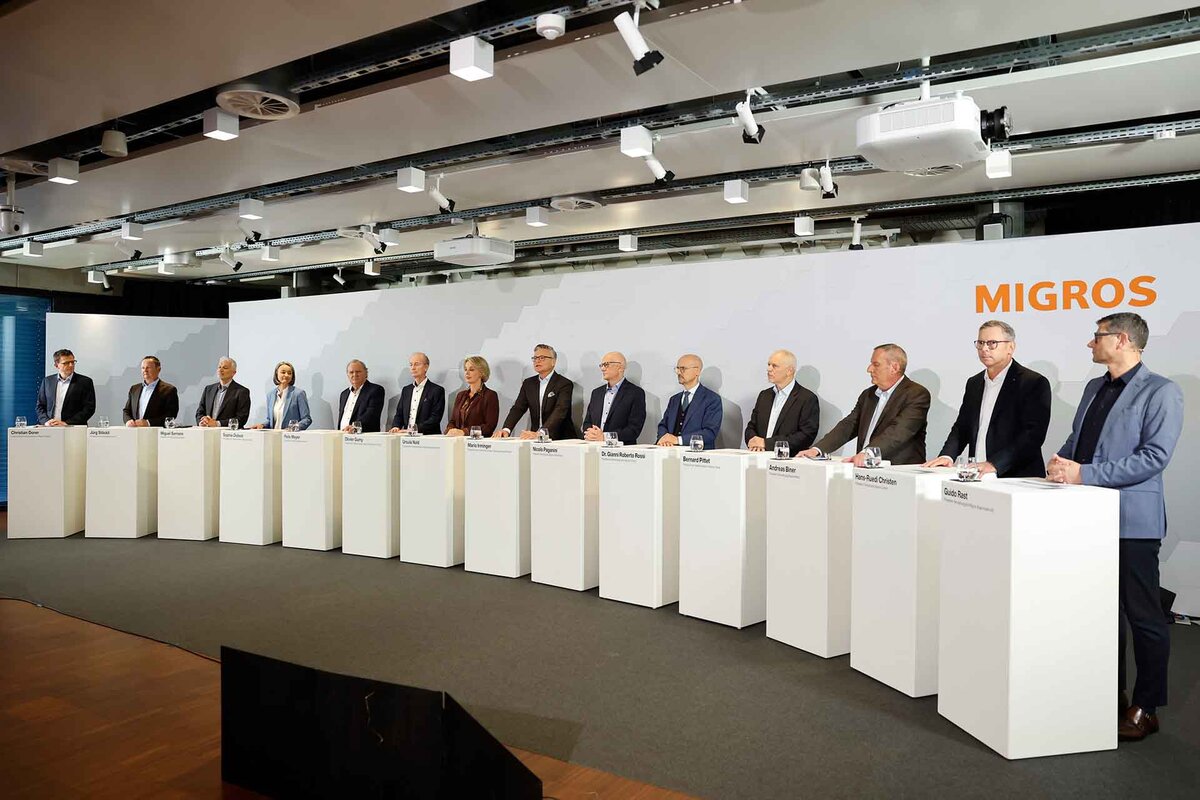
With plans for a historic mega-merger, Migros this week put the foundations of its century-old corporate structure up for debate. The Swiss retail giant plans to merge its ten independent regional cooperatives and the Federation of Migros Cooperatives (FMC) into a single national group, aiming to run its core supermarket business tightly from a single source.
"Eleven grill masters at one barbecue" had simply become too sluggish to meet future challenges, argued Migros CEO Mario Irminger, justifying the radical step in response to fierce competition from Coop, hard discounters, and cross-border shopping tourism.
The federalist model, originally conceived by founder Gottlieb Duttweiler to ensure deep regional roots, is giving way to the demand for faster decision-making and the elimination of redundant administrative layers.
Whether the regional strongholds will yield power will be decided in mid-2027 by general vote: every single cooperative must approve the transfer of authority by a two-thirds majority. For Swiss retail, this week's move marks the end of an era in which cooperative regional diversity took precedence over centralized operational force.
200’000
Numbers
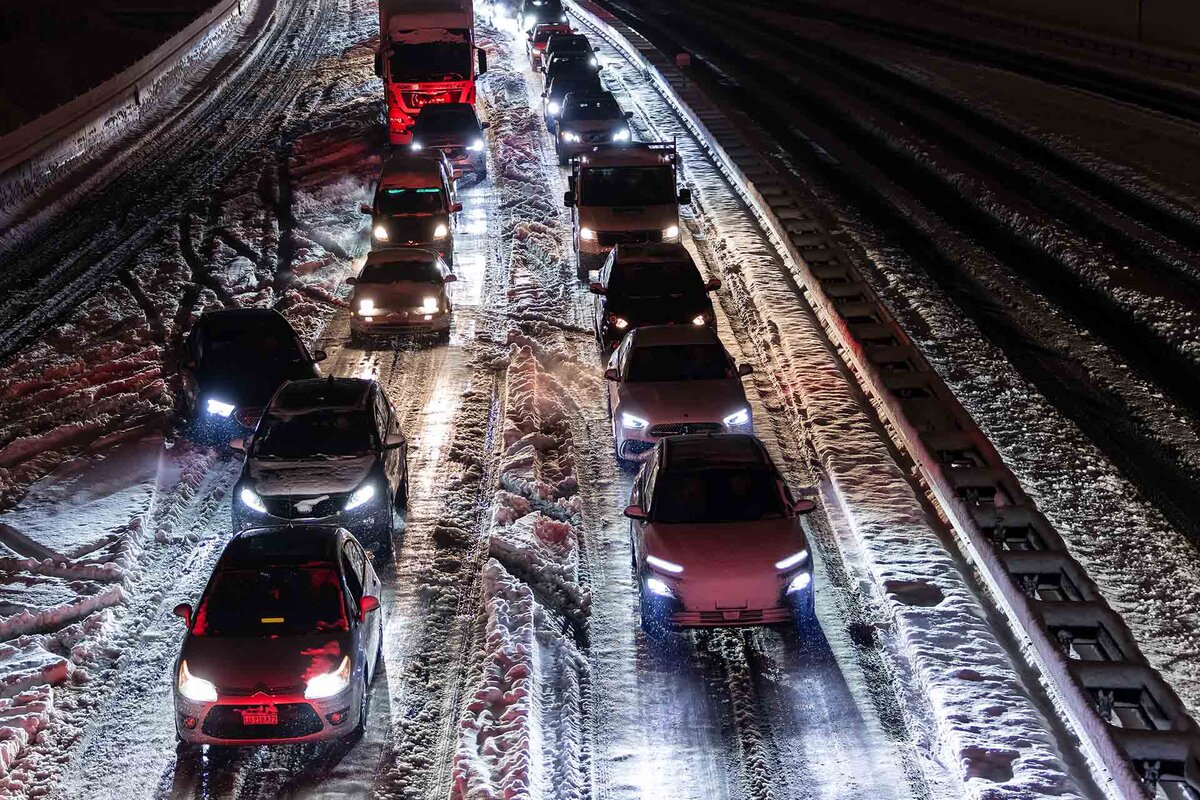
Before the first cold snap freezes roads and mountain passes, Switzerland's winter logistics machinery is already in motion. Swiss Saltworks stocks around 200,000 tonnes of de-icing salt ahead of the season. Depending on weather conditions, national consumption fluctuates widely—from roughly 100,000 tonnes in mild winters up to 360,000 tonnes during severe, record-setting cold spells.
To keep the 2,255 kilometers of the national highway network clear of ice, the Federal Roads Office (FEDRO) deploys more than 400 snow-clearing vehicles. Modern technology ensures precise dosage: pre-wetted salt containing 30 percent brine lowers application rates to an economical 10 to 20 grams per square meter.
Long-term supply is backed by colossal reserves: with a daily production capacity of up to 2,000 tonnes in Pratteln and Bex, the wooden dome storage facility "Saldome" in Riburg (Canton of Aargau) alone holds a reserve of up to 100,000 tonnes of salt.
A Fortress Against the Virus
Insights
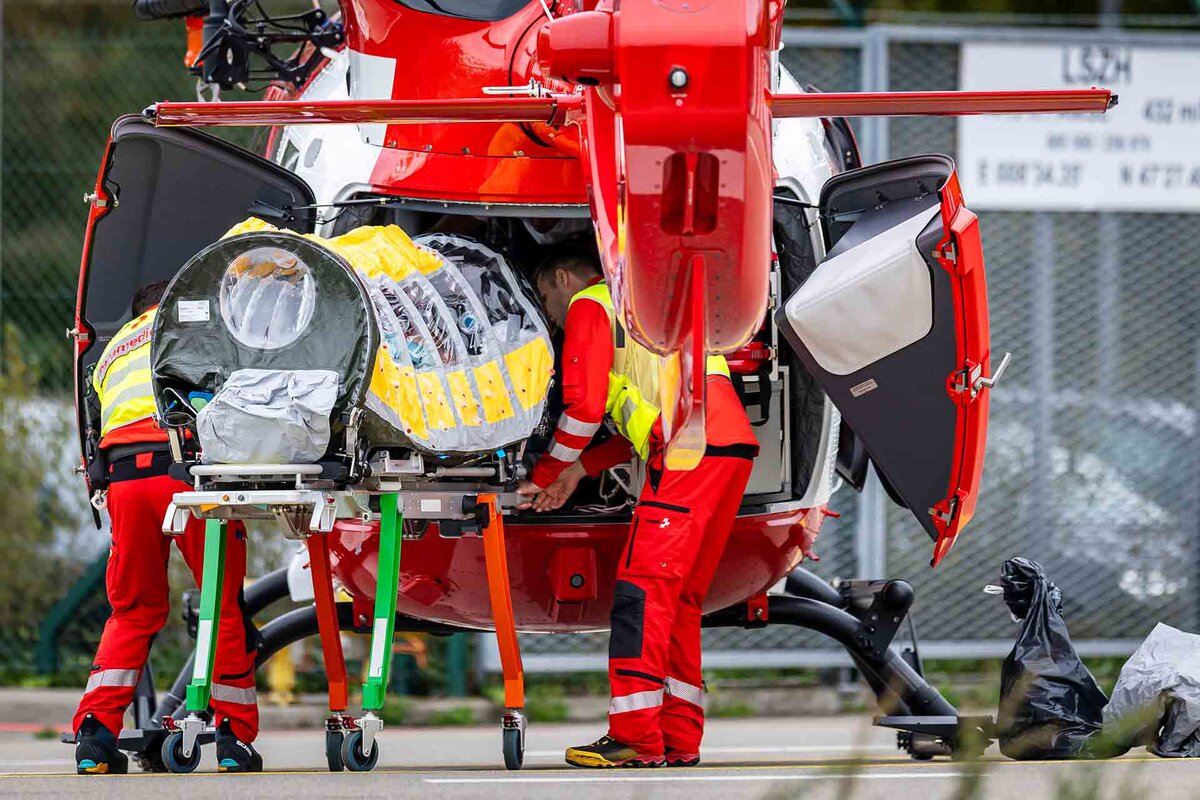
As the yellow isolation pod rolls off the helicopter, high-level emergency protocols take over: following the repatriation of a Swiss national infected with Ebola in Nigeria, Switzerland’s specialized infrastructure for high-consequence infectious diseases has been activated—for only the third time in Swiss history.
The operational scale is enormous, and the security precautions equally rigorous. A hermetic protective barrier ensures no pathogen escapes: continuous negative air pressure prevents air from escaping when airlocks open, HEPA filtration systems purify exhaust air, and all wastewater is thermally sterilized in dedicated holding tanks.
Behind the security airlocks, medical staff work in powered air-purifying respirators and protective suits. Because the physical strain inside the gear is intense and doffing follows strict four-eyes verification protocols, shifts remain short: around the clock, managing a single patient occupies a multidisciplinary team of up to two dozen specialists working in rotation.
This maximum-containment protocol brings together high-end intensive medicine and biosecurity across just a few square meters. Both Swiss centers equipped for such scenarios are currently mobilized: the patient is receiving treatment at Geneva University Hospitals (HUG), while her husband remains isolated under monitoring at the University Hospital Zurich (USZ).