
Ethical Questions at the Center of Reporting on Crans-Montana
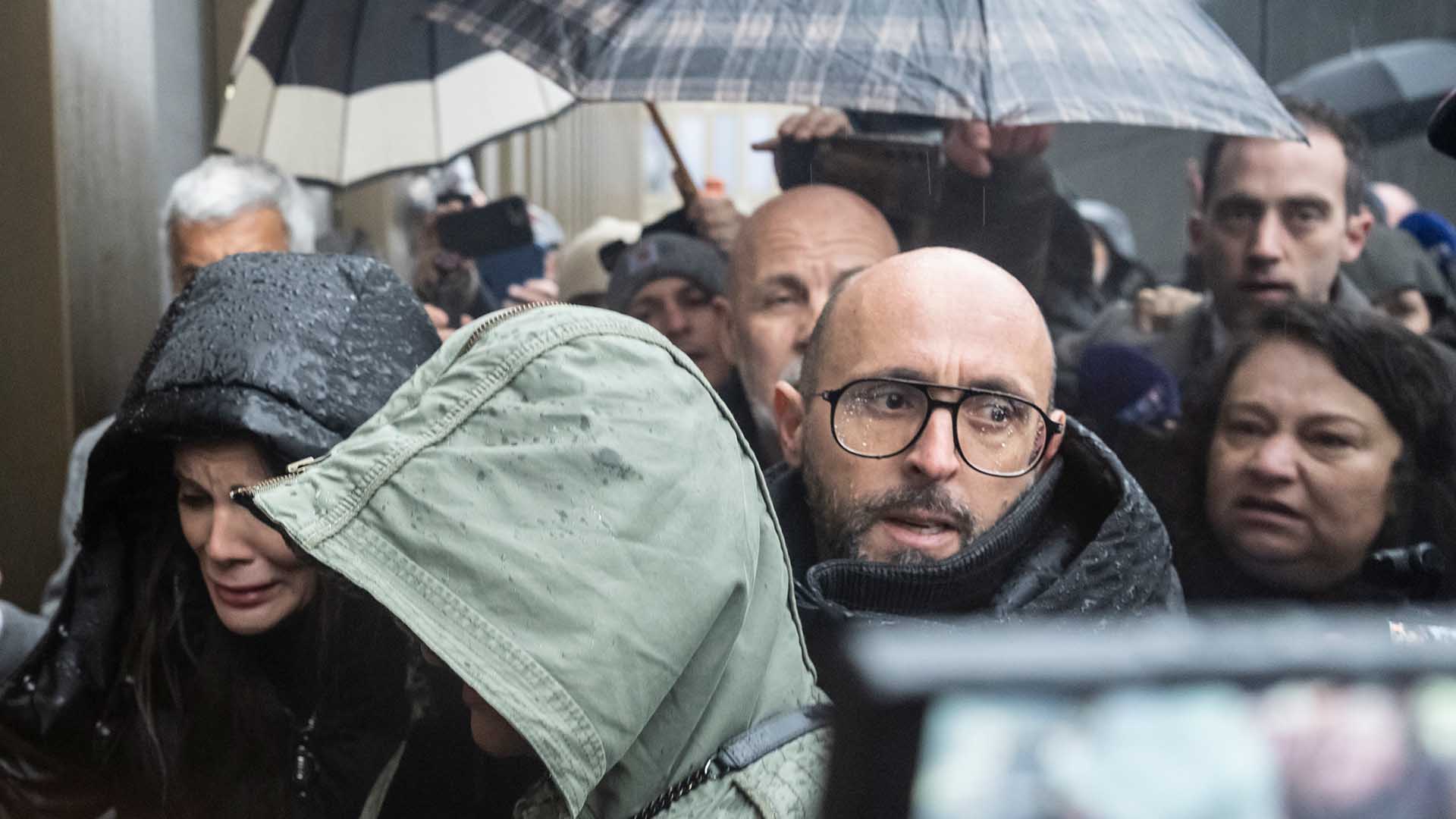
Since January 1, 2026, the tragedy of Crans-Montana has dominated the news. For journalistic work, an event of this magnitude carries an enormous responsibility: to inform the public comprehensively while simultaneously protecting the personal rights of those affected.
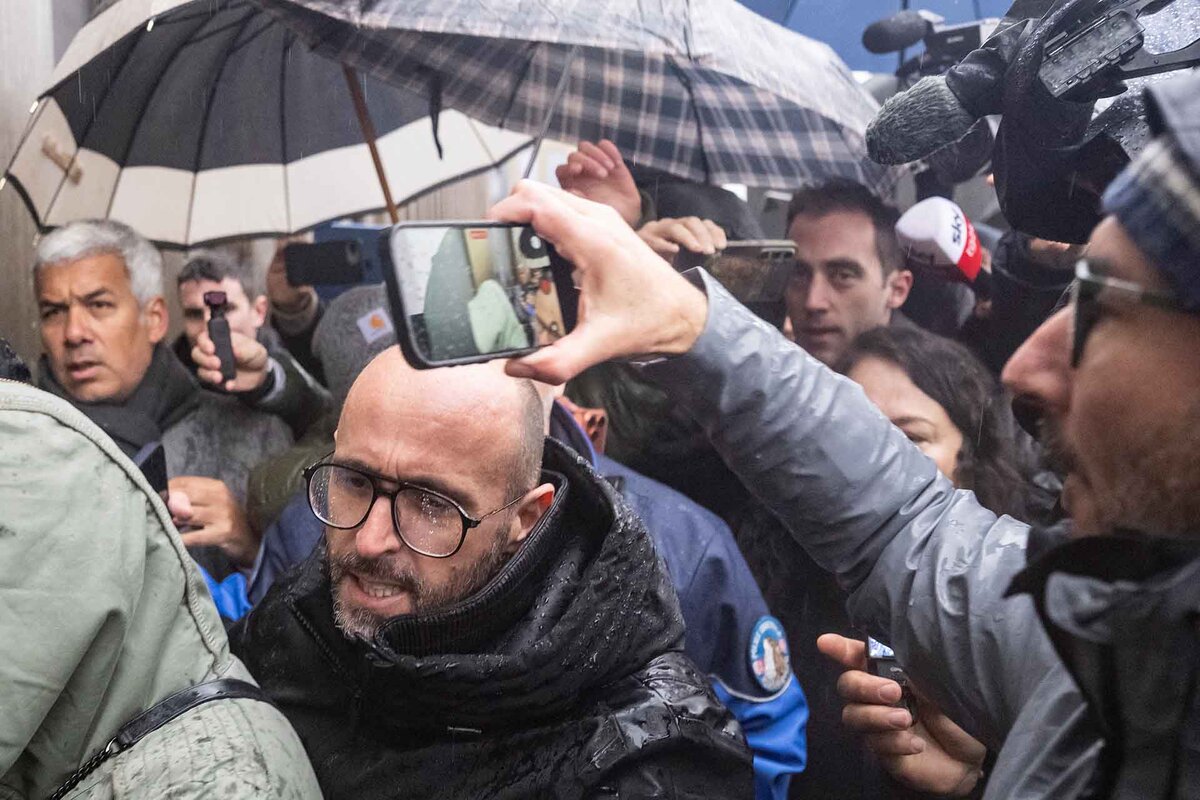
699177865 – Jacques Moretti surrounded by relatives and media representatives prior to the hearing in Sion on February 12, 2026. Photo: KEYSTONE / Alessandro della Valle
The public interest in the tragedy justifies the identification, but at the same time demands strict adherence to ethical standards for the protection of privacy.
The Ethical Foundation
Reporting is not carried out at subjective discretion, but on the basis of a clear legal and professional ethical framework. In addition to the legal foundations of personality protection, two pillars form the backbone of the reporting. On the one hand, the guidelines of the Press Council, with the "Declaration of the Duties and Rights of Journalists," set the industry-wide standard for respect and dignity. On the other hand, the specifications of the Keystone-SDA editorial manual clarify the agency's internal guidelines for daily practice.
Guidelines for Reporting
What should be done when the situation becomes unpredictable, as with the recent interrogations in Sion? Especially in tense situations, the application of clear rules is indispensable:
- Dealing with the Accused: Persons at the center of public interest or who have exposed themselves to the media are named and shown – while strictly respecting the presumption of innocence.
- Victim Protection: Relatives of victims only appear in the reporting if they actively and voluntarily seek the public eye.
- Protection of Minors: The anonymity of children and young people remains absolutely protected in texts, captions, or videos to avoid any indirect identification.
- Preservation of Human Dignity: Restraint is required toward suffering persons or persons under shock in order to preserve human dignity in every case. Reporting must never turn into voyeurism.
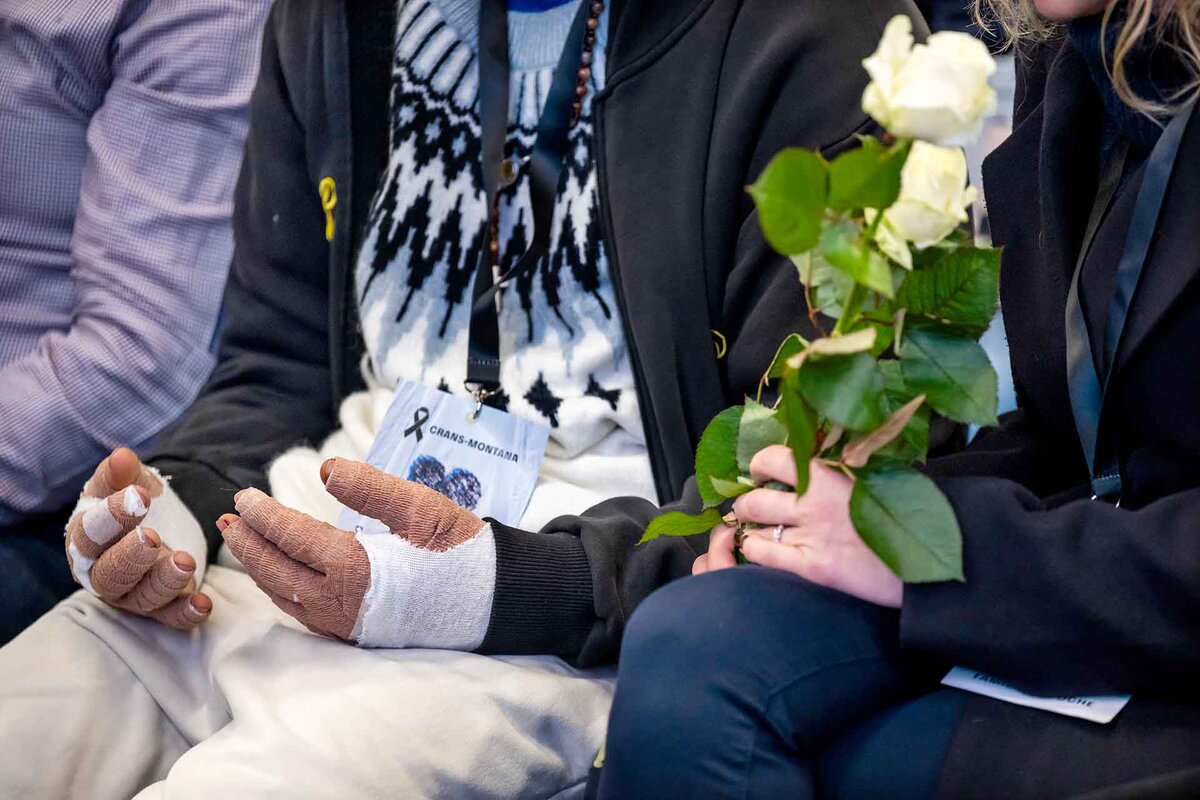
693793684 – A victim and a relative during the national memorial service for the victims of Crans-Montana in Martigny on January 9, 2026. Photo: KEYSTONE / Laurent Gilliéron
According to the guidelines of the Press Council and the editorial manual, in moments of deep grief, the protection of privacy takes precedence over the identification of individuals.
Indispensable Neutrality Despite Emotions
Work on-site is characterized by the grief of the bereaved and the enormous pressure from international media, which represents an extraordinary burden for the teams. In this highly emotional environment, professional distance is not a sign of a lack of empathy, but the mandatory prerequisite for professional neutrality.
Keeping a cool head guarantees remaining a reliable and objective anchor point even in a saturated flow of information. Strict adherence to the applicable legal framework, the professional ethical rules of the Press Council, and the self-imposed ethical rules ensures that news is conveyed not only quickly, but above all respectfully and based on facts.
Laurent Gilliéron, Deputy Editor-in-Chief & Head of Visual, February 2026