
Topics of the Week 34
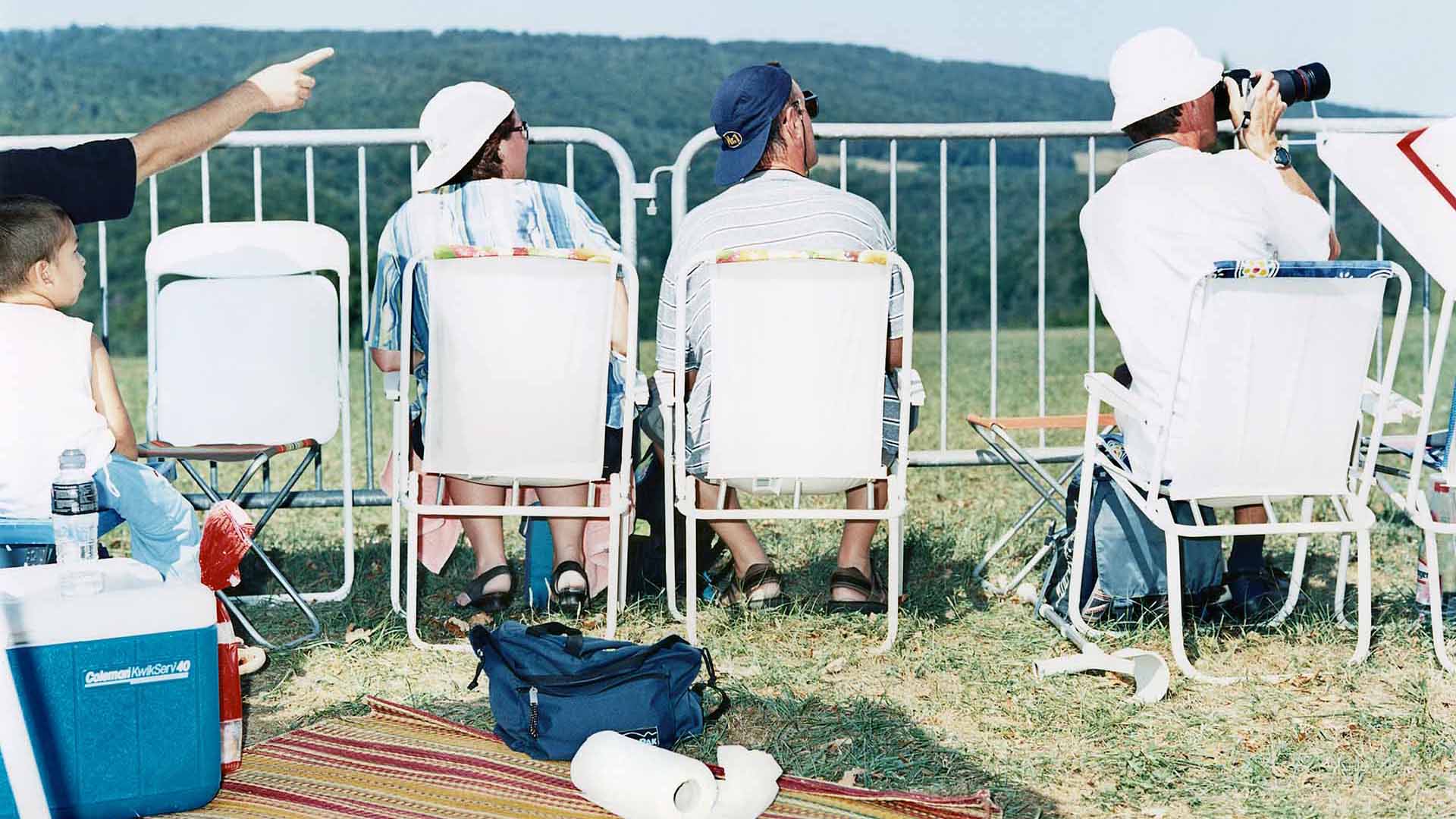
From the balancing act in the hospital sector and 100 years of the Altenrhein airfield to Audrey Werro's dramatic European Championship gold and the costly protection of Alpine infrastructure: the topics of the week show Switzerland between peak performance and major challenges.

Swiss hospitals between expansion and financial pressure
Focus
After twelve years of construction, the new wing of the Cantonal Hospital Graubünden (KSGR) in Chur is on the verge of opening. The 518 million Swiss franc construction project combines the emergency department, intensive care unit, and 13 new operating rooms on a single floor. It is one of the largest construction projects in the hospital's 85-year history.
Surgical management attributes the higher capacity to demographic change: due to an aging population, the number of surgical procedures in Chur has risen from 15,000 to around 17,000 per year over the last decade.
The Chur case highlights the current core issue facing the Swiss hospital landscape: while major regional medical centers upgrade with three-digit million-franc investments, many Swiss hospitals are coming under severe financial pressure. Massive cost overruns are colliding with operating losses. In Chur, expenses exceeded initial plans by nearly 90 million Swiss francs, driven in part by inflation and regulatory requirements.
100 years of Altenrhein Airfield
Flashback
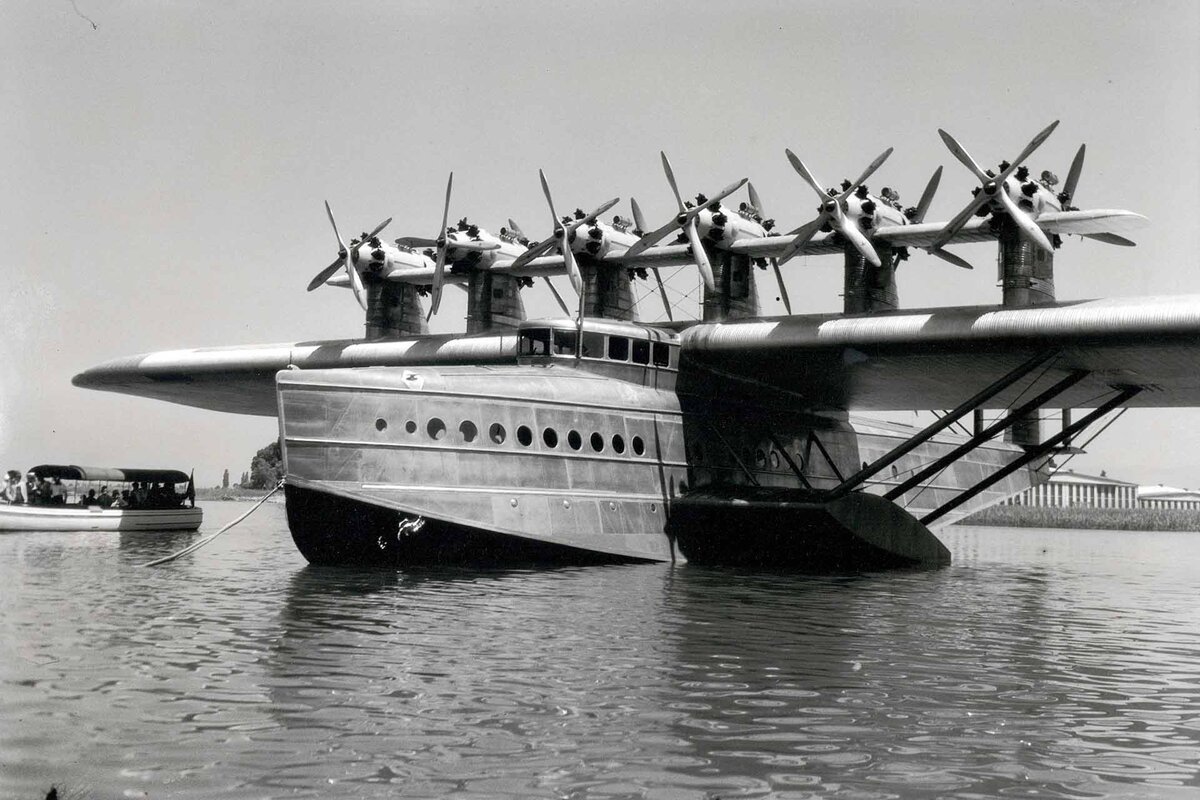
The founding of the St. Gallen-Altenrhein airfield dates back to 1926: to circumvent the restrictions of the Treaty of Versailles, which prohibited the construction of large aircraft in Germany at the time, designer Claude Dornier relocated to the Swiss southern shore of Lake Constance. For his project, he built the production facilities of Do-Flug AG in Altenrhein. It was there on July 12, 1929, that the spectacular maiden flight of the twelve-engine Do X flying boat—the world's largest aircraft at the time—successfully took place.
For its 100th anniversary, the flying colossus returns to its place of origin: a walk-in 1:1 replica of the giant flying boat is currently being constructed in a 'glass workshop' at the FFA Museum in Altenrhein. Right next door, the region's transformation is on display: with around 25,000 to 30,000 flight movements per year, Altenrhein has evolved into Eastern Switzerland's most important regional airport, serving as a hub for scheduled flights and business aviation in the four-country border area.
The highlight of the celebrations will be the major airfield festival from August 28 to 30, featuring the Swiss Armed Forces aerobatic team. Ahead of the impending retirement of the F-5 Tiger, the planned performance by the Patrouille Suisse will be one of the final appearances of the formation in its current configuration.


100
Numbers
Clocking in at 1:54.81, Audrey Werro charged from lane 9 in a solo run straight to gold in the 800-meter European Championship final in Birmingham. Just 24 hours earlier, the Freiburg native's European Championship dream had almost shattered in the semifinals about 100 meters before the finish line following a collision and a fall.
Because Werro got back up despite her scrapes and finished the race, Swiss Athletics was able to file a protest. After 30 anxious minutes, the jury decided to add her to the final field. There, Werro took the initiative from the start: with an extremely fast first lap of 56.5 seconds, she kept Olympic champion Keely Hodgkinson at bay by two-tenths of a second to secure the biggest success of her career.
Infrastructure and climate change
Hintergrund
Melting permafrost, unstable rock faces, and more intense heavy rainfall: climate change is putting Switzerland's transport network to a severe test. To protect mountain routes on the Rhaetian Railway (RhB) and Swiss Federal Railways (SBB) from rockfalls and debris flows, the federal government, cantons, and railway companies invest hundreds of millions of francs annually in targeted natural hazard protection.
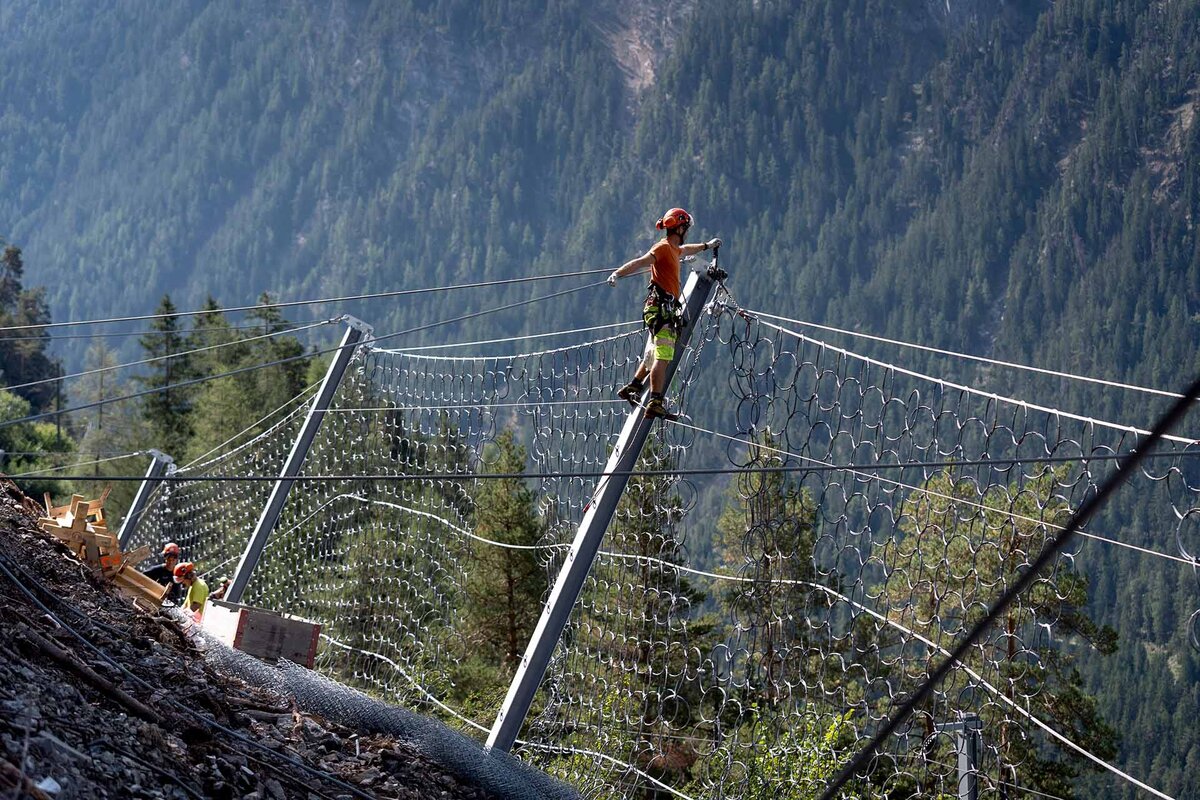
Funded through the Railway Infrastructure Fund (RIF) and federal performance agreements, high-alpine engineering is undergoing a radical transformation: instead of rigid concrete structures, high-energy-absorbing net systems and digital radar systems now secure the country's key transit corridors.
Keystone-SDA photographer Gaëtan Bally has been documenting these complex protection and security efforts across Switzerland for over 15 years. His latest reportage was created in mid-August along the RhB Albula line near Filisur, where technicians anchored a five-meter-high protective barrier directly into the rock.