
Topics of the week 38
From security risks posed by smart everyday devices and changing commuter flows to the costly illusion of fixed prices in fighter jet acquisitions with a historical parallel, this issue highlights the key topics of the week.
The digital vulnerability in the living room
Focus
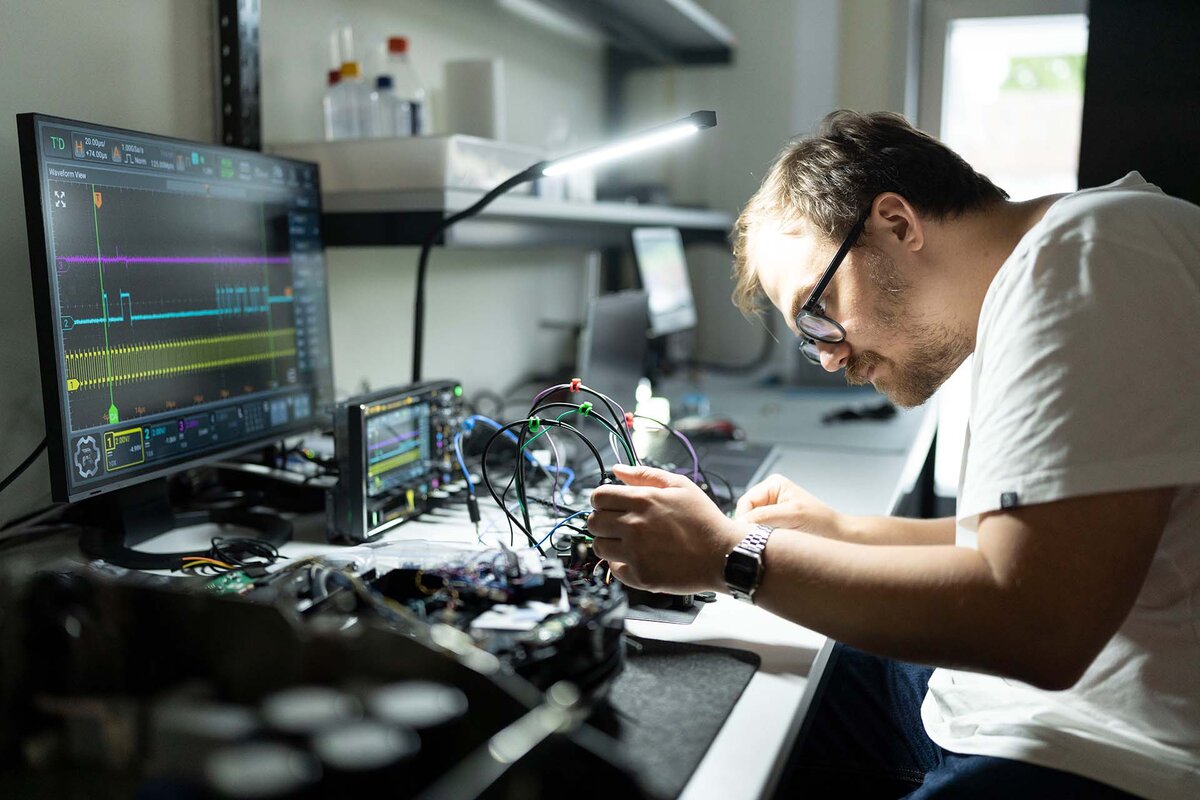
Smart robot vacuums don't just clean floors; they also collect spatial data and pose a potential gateway into private Wi-Fi networks. Against this backdrop, the National Test Institute for Cybersecurity (NTC) in Zug is filling a major market gap in Switzerland: As an independent institution co-established by the public sector, it tests the security of connected hardware and software free from manufacturer interests.
Findings from the Zug-based experts highlight the need for action regarding smart hardware. While software updates are standard for PCs and smartphones, sensors and data connections in household appliances often remain unprotected. The NTC's work underscores the need for binding security standards to effectively embed privacy and digital resilience into everyday life.
Which connected device in your own home actually poses the greatest security risk?
The Mirage affair
Flashback
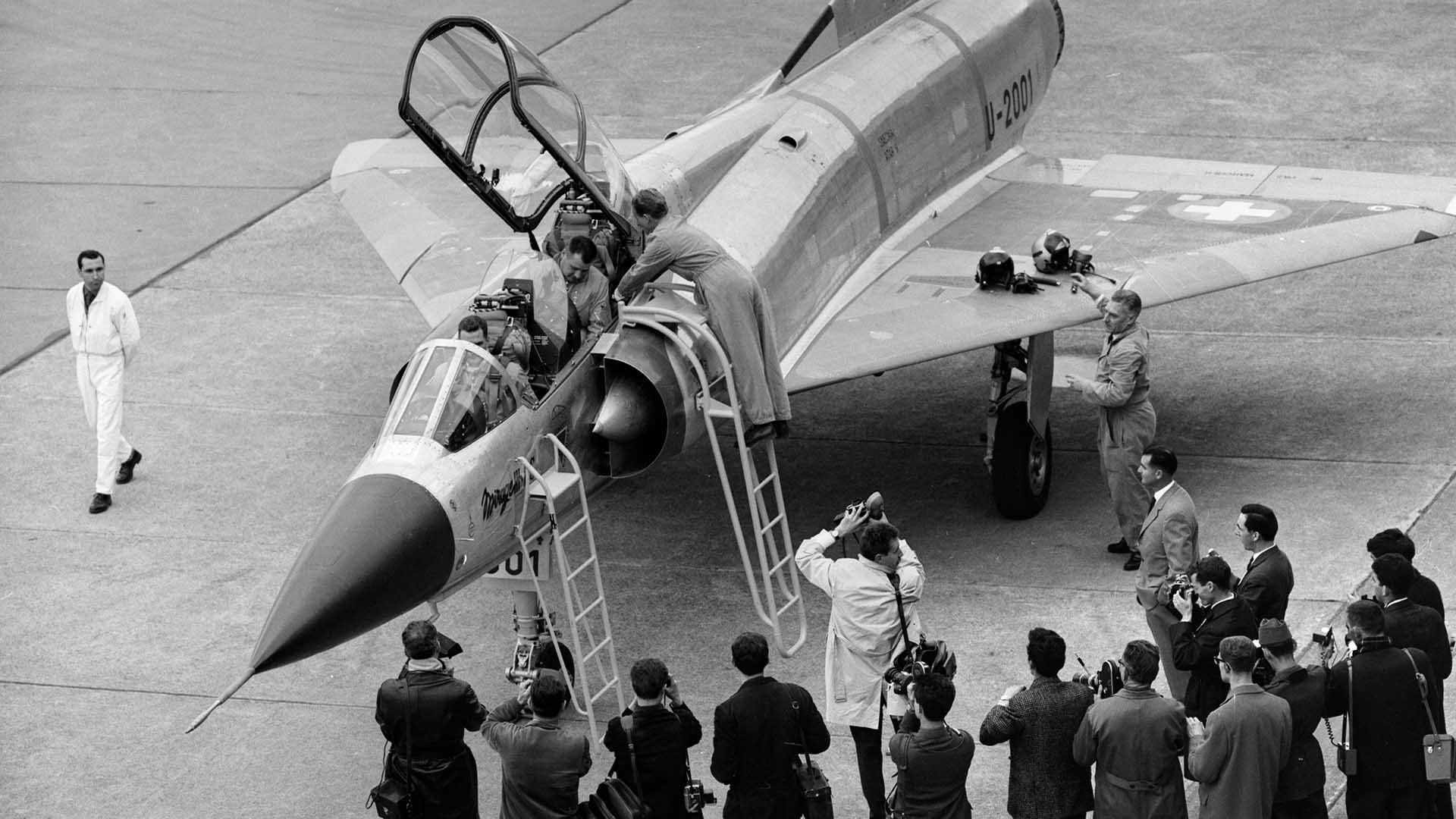
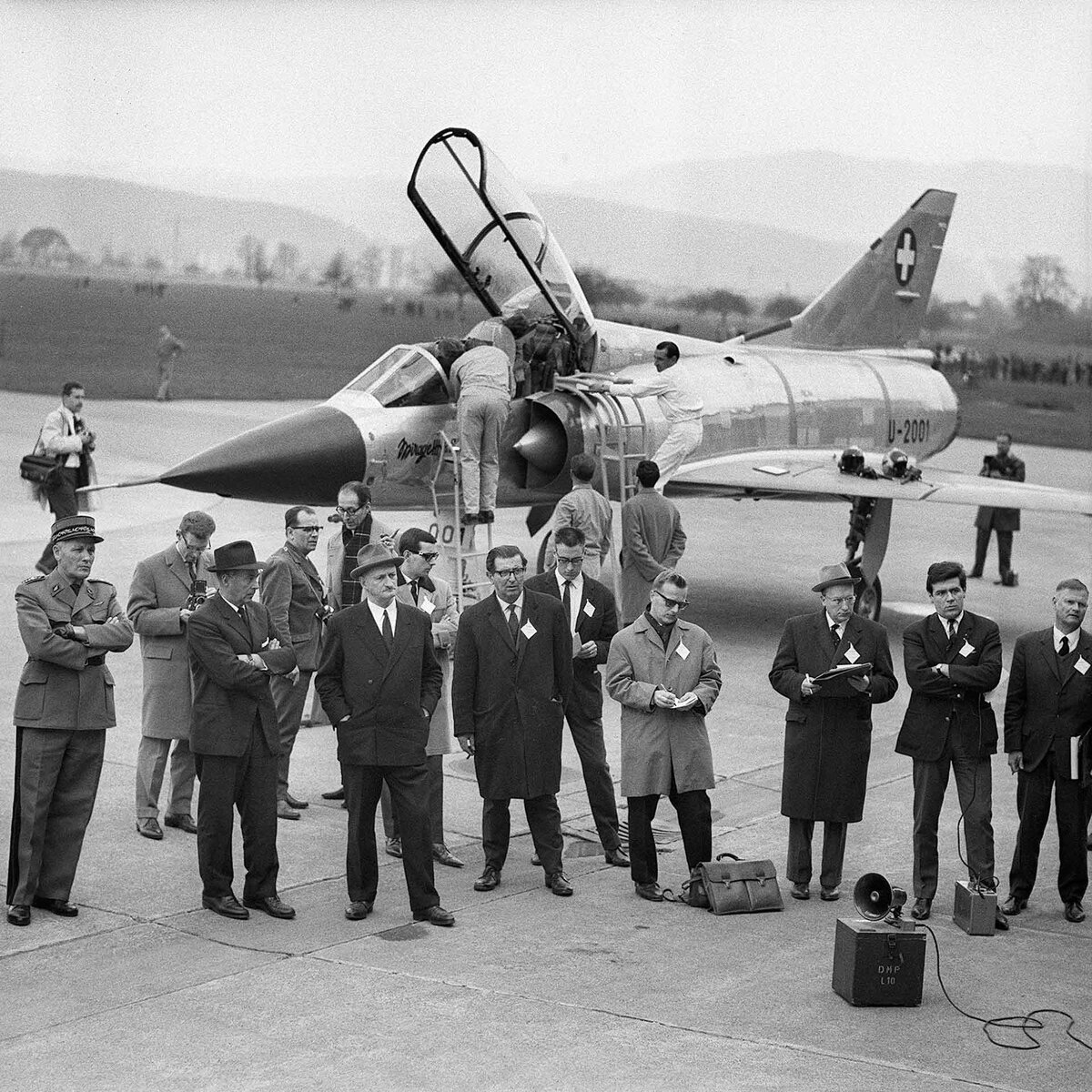
When the Federal Council decided to purchase 100 French Mirage III fighter jets in 1961, it promised Parliament a total cost of 870 million francs. Unnoticed by the Federal Council, an overzealous administration pushed procurement forward and, far exceeding its authority, upgraded the jet into a nuclear-capable fighter-bomber. Financing spun completely out of control.
In 1964, the government requested an unprecedented supplementary credit of nearly 580 million francs, causing total costs to explode to over 1.4 billion francs — which, adjusted for inflation, equals roughly 5.5 billion francs today.
The proven deception triggered the largest defense procurement fiasco in Swiss history. Under the leadership of future Federal Councillor Kurt Furgler, Parliament established the first Parliamentary Committee of Inquiry (PUK). Its scathing report forced the resignation of Defense Minister Paul Chaudet, the dismissal of the Air Force Commander, and the departure of the Chief of the General Staff.
Parliament slammed the brakes, slashed the supplementary credit, and reduced the fleet to 57 aircraft. By introducing the PUK and establishing Control Committees, the Confederation reinvented its oversight mechanisms. Ever since, this procurement trauma has made any air force modernization a military and political tightrope walk.
52%
Numbers
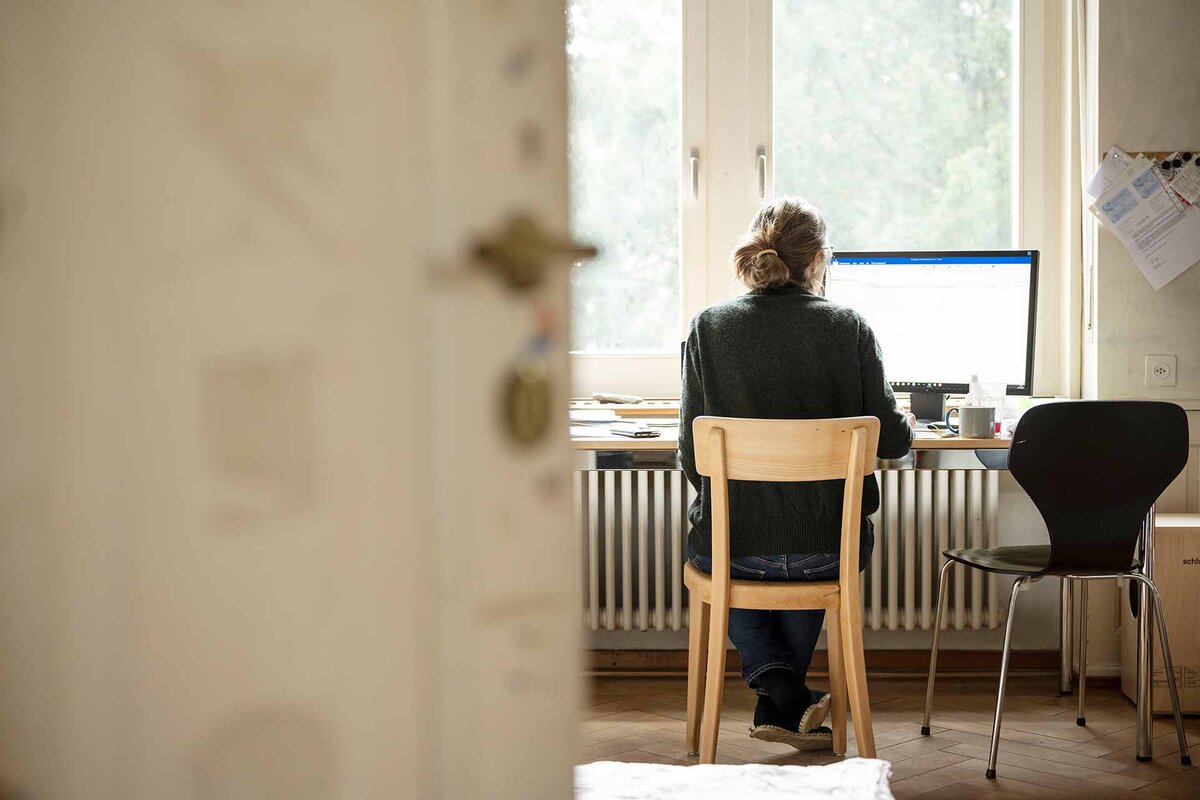
The pandemic acted as a lasting catalyst for the Swiss labor market. While only 25 percent of the workforce occasionally worked from home before the crisis in 2019, 52 percent of employees today regularly take advantage of remote work. In knowledge-intensive industries, the shift is even more pronounced: In the IT sector, 88 percent of employees work remotely at least part of the time, compared to 76 percent in the financial sector.
For employees, this shift pays off directly: Working two days a week from home saves commuters an average of 140 minutes in travel time and roughly 1,200 francs in annual travel expenses, noticeably raising the quality of life for 78 percent of respondents.
However, this new flexibility presents Switzerland with infrastructure challenges. While traffic volume drops by 15 percent on Mondays and Fridays, commuter traffic concentrates heavily on in-office days like Tuesdays and Thursdays. On major routes such as Zurich-Bern, this results in capacity utilization exceeding 110 percent, forcing transport operators to maintain costly capacity reserves.
The non-word of the year
Insights
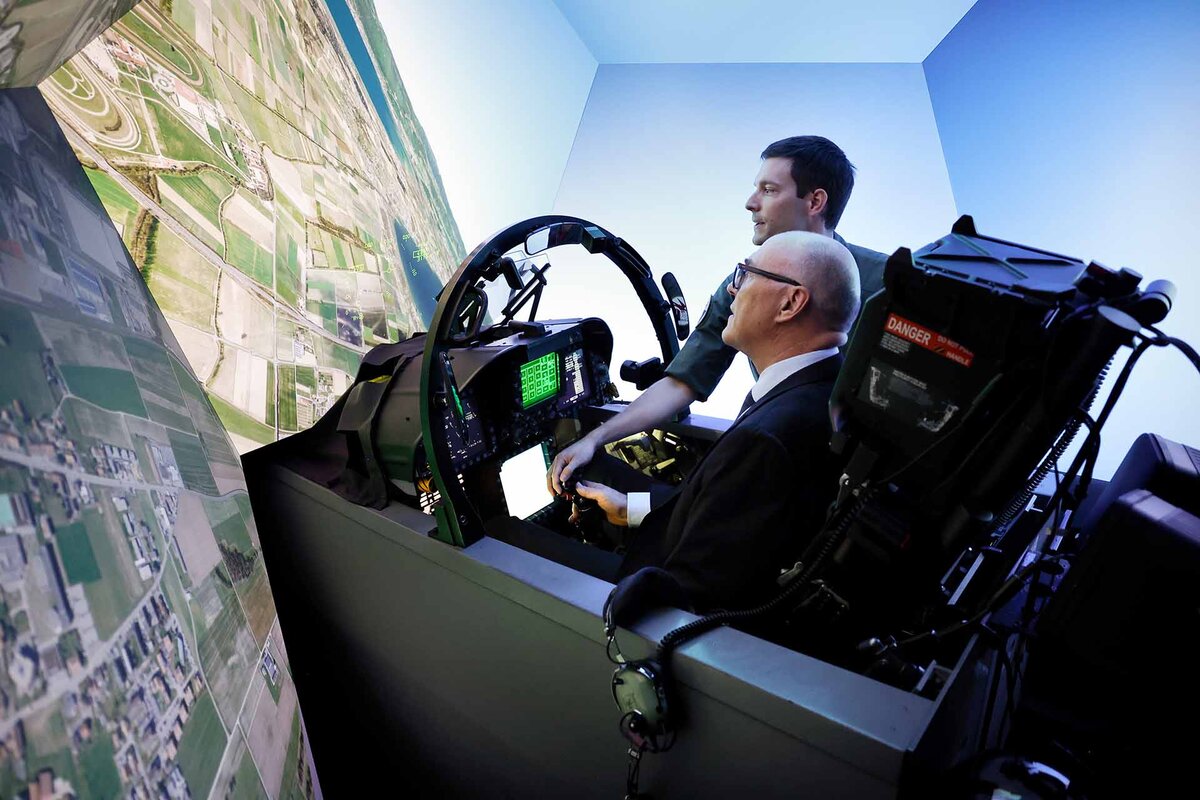
"Fixed price" - in Swiss politics, this term is becoming synonymous with a broken promise, at least regarding the defense deal of the century. When the Confederation signed the contract worth nearly six billion francs for 36 F-35A fighter jets in 2022, the deal - much like the narrowly won 2020 popular vote with 50.1 percent in favor - relied on assurances from former Federal Councillor Viola Amherd of an immutable fixed price.
However, a report by the Control Committee (GPK-N) revealed that this fixed price never existed contractually. As US inflation, currency fluctuations, and software issues make the dossier more expensive, a sobering reality is emerging that, for now, remains without political or legal consequences.
The legacy of the former head of the DDPS is thus having a massive impact on state finances. Although the new Defense Minister, Martin Pfister, called for objectivity this week and pointed to the urgency of air defense, political pressure is growing.
No liability applies and a PUK lacks a majority, which is why the dispute is breaking out directly over money: The SP has already announced resistance to the supplementary credit of roughly 400 million francs. In any case, the purchase price is just the tip of the iceberg; long-term operating costs, runway modifications, and noise protection in Payerne, Meiringen, and Emmen will burden the budget for decades. The promised fixed price is thus returning to the Federal Palace as a financial boomerang.