
Topics of the week 40

Discover how La Chaux-de-Fonds is reinventing itself as a cultural laboratory, what remains of the ozone alert three decades after the summer smog shock, how the green "Sunflower Lanyard" raises awareness for invisible disabilities in public transit, and how Swiss outdoor pools are bidding farewell to summer under the motto "1 franc per paw."
La Chaux-de-Fonds embarks on a fresh start
Spotlight
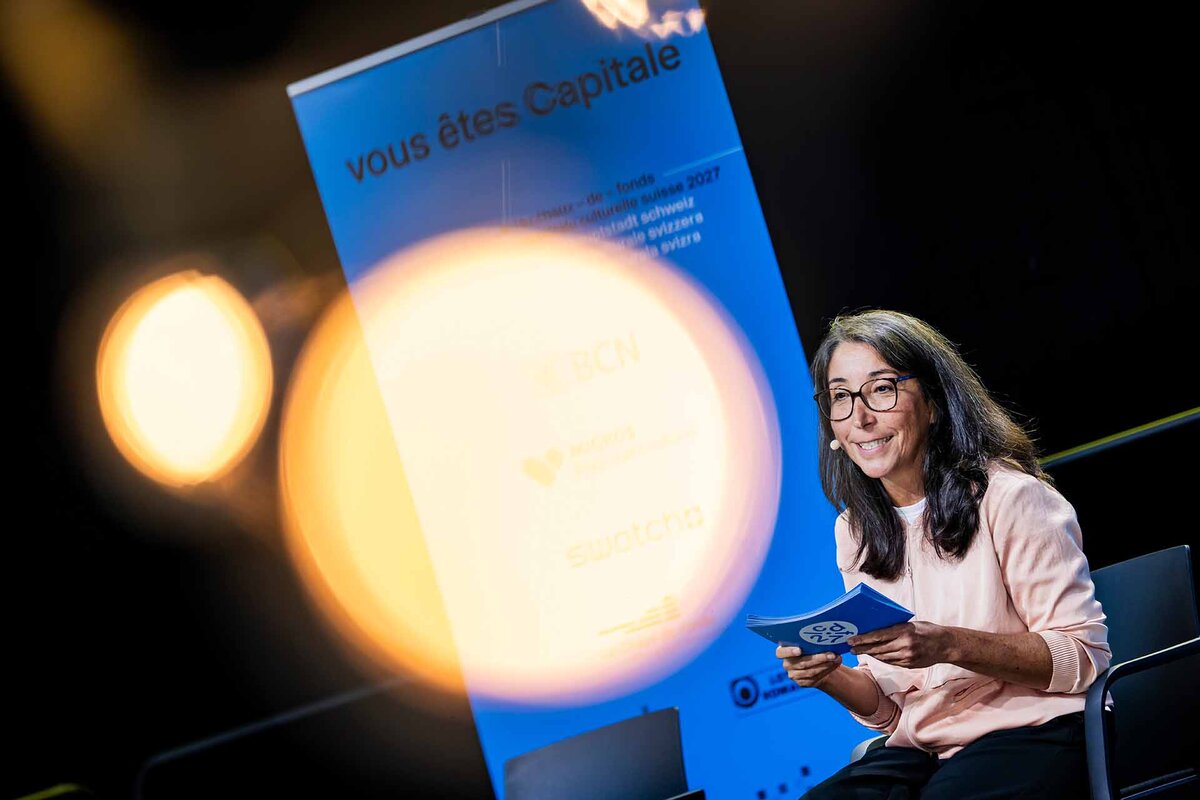
Throughout 2027, the watchmaking metropolis in the Neuchâtel Jura will hold the title of "Capitale culturelle suisse". Unlike the European Union, Switzerland previously had no national Capital of Culture format.
This pilot project transforms the UNESCO World Heritage city into a cultural playground. More than 300 events across 70 locations aim to combine its industrial heritage with contemporary art.
Under the motto "vous êtes Capitale", the initiative builds on strong alliances, including a guest appearance by the Locarno Film Festival as a "Piccola Piazza Grande" on the market square, a Paléo night at the disused Les Eplatures airfield, and hosting the next Schubertiade.
For La Chaux-de-Fonds, which has repeatedly faced challenges following structural shifts and severe storm damage, the 2027 cultural year represents a major opportunity to reinvent itself as a vibrant laboratory for Swiss cultural policy.
30 years after the summer smog shock
Flashback
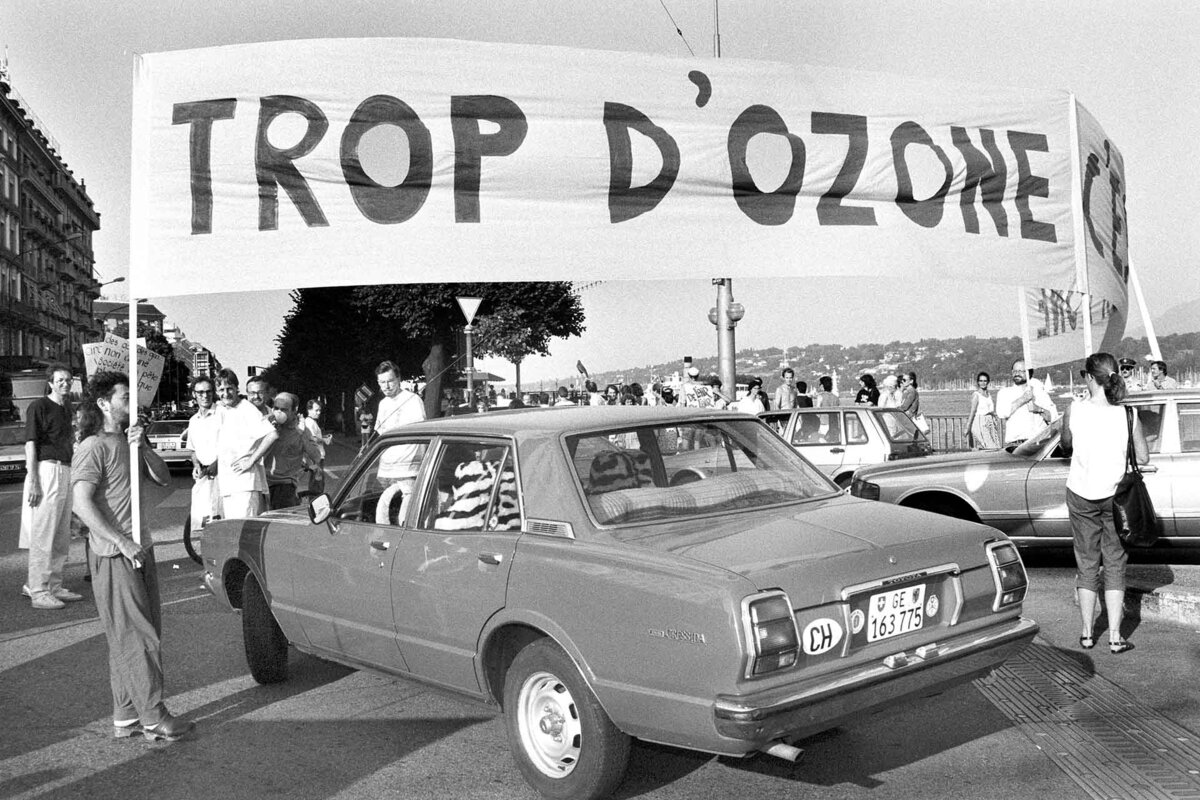
Three decades ago, alarming headlines, 80 km/h speed limits on highways, and warnings against outdoor sports dominated the Swiss summer: ground-level ozone was considered environmental threat number one. Demonstrations against rising air pollution took place in numerous cities
The consistent introduction of catalytic converters, particle filters, and stricter emissions standards paid off. The extreme peaks of the 1990s and the hot summer of 2003 are now a thing of the past.
However, looking back reveals a mixed picture: while the historic success of the CFC ban is slowly closing the stratospheric ozone hole, ground-level ozone remains a persistent, silent issue in the Swiss Plateau, as recent measurements show.
As current data from the EU's Copernicus service demonstrates, 92 percent of the European population lives in areas exceeding ozone thresholds during summer. Due to rising summer temperatures caused by climate change, this secondary pollutant is still formed in large quantities under intense heat. What was once an acute smog alert has turned into a creeping baseline pollution.
21
Numbers
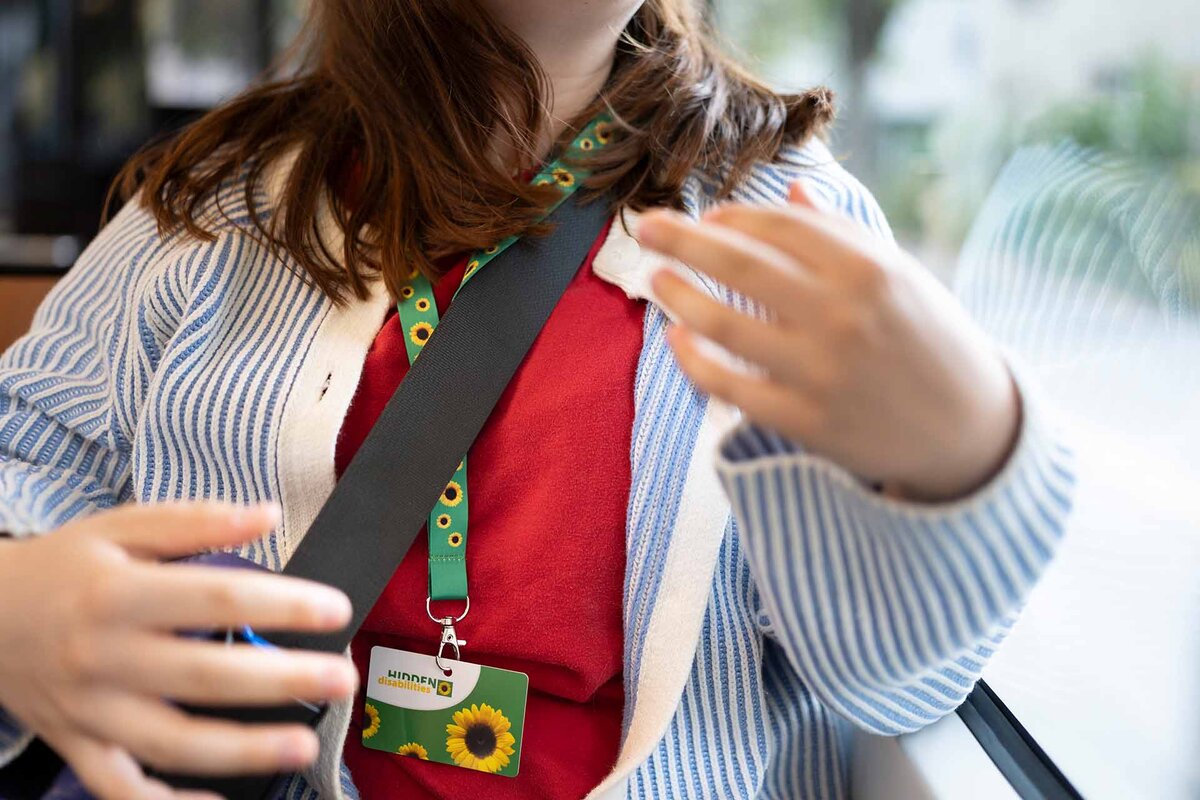
The green sunflower lanyard is establishing itself in Swiss public transport as a discreet symbol for invisible disabilities. Behind the accessory stands a striking figure: according to the Federal Statistical Office, around 1.8 million people live with a disability in Switzerland. That corresponds to about 21 percent of the resident population, or roughly 1 in 5 residents.
A surprising 80 percent of all disabilities worldwide, such as autism, chronic pain, or multiple sclerosis, are not visible at first glance, often placing affected individuals under pressure to explain themselves in daily life.
With its introduction across SBB, BLS, and partner railways, Switzerland joins a global initiative already established in over 140 countries and at more than 230 airports.
While the Disability Discrimination Act (BehiG) drives the physical accessibility upgrades of over 18,000 stops across the country, the lanyard addresses social barriers. In crowded trains or during ticket inspection, it wordlessly signals to train staff and fellow passengers that someone may need a little more time, patience, or a calm approach.
1 franc per paw
Insights
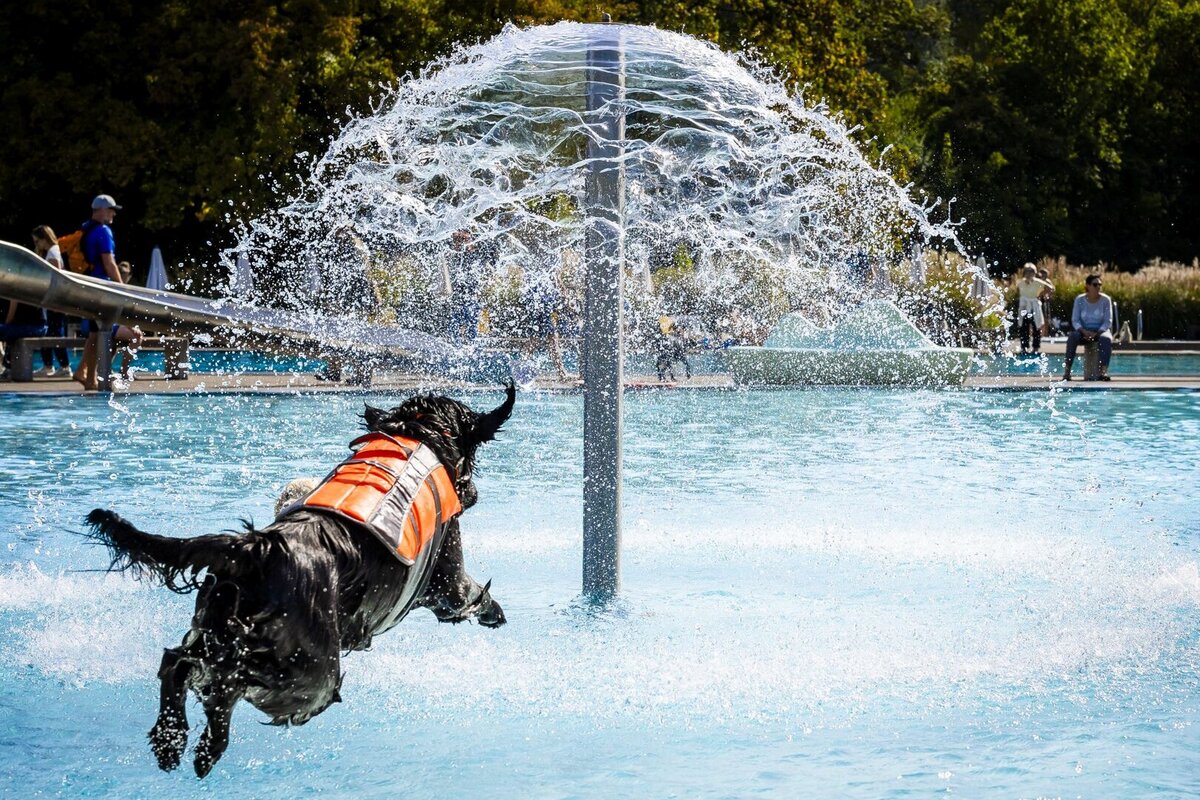
When the swimming season ends, the pool belongs to four-legged friends: an increasing number of Swiss outdoor pools turn off their chlorination systems on the final day of operation and open their doors for traditional dog swimming.
What began a few years ago as a local experiment has evolved into an established pool tradition from Winterthur and Baden to French-speaking Switzerland. Under the motto "1 franc per paw", operators and guests bid farewell to summer before the water is drained for winterizing.
Behind this charming ritual lies a shift in Swiss outdoor pool culture: facilities are actively seeking new ways to root themselves more deeply in the local community and optimize the use of public infrastructure until the very last day.
The final swim not only marks the symbolic transition into the cold season, but also shows how the logistical effort of winterizing can turn into a popular event for people and animals alike.