
Topics of the week 45
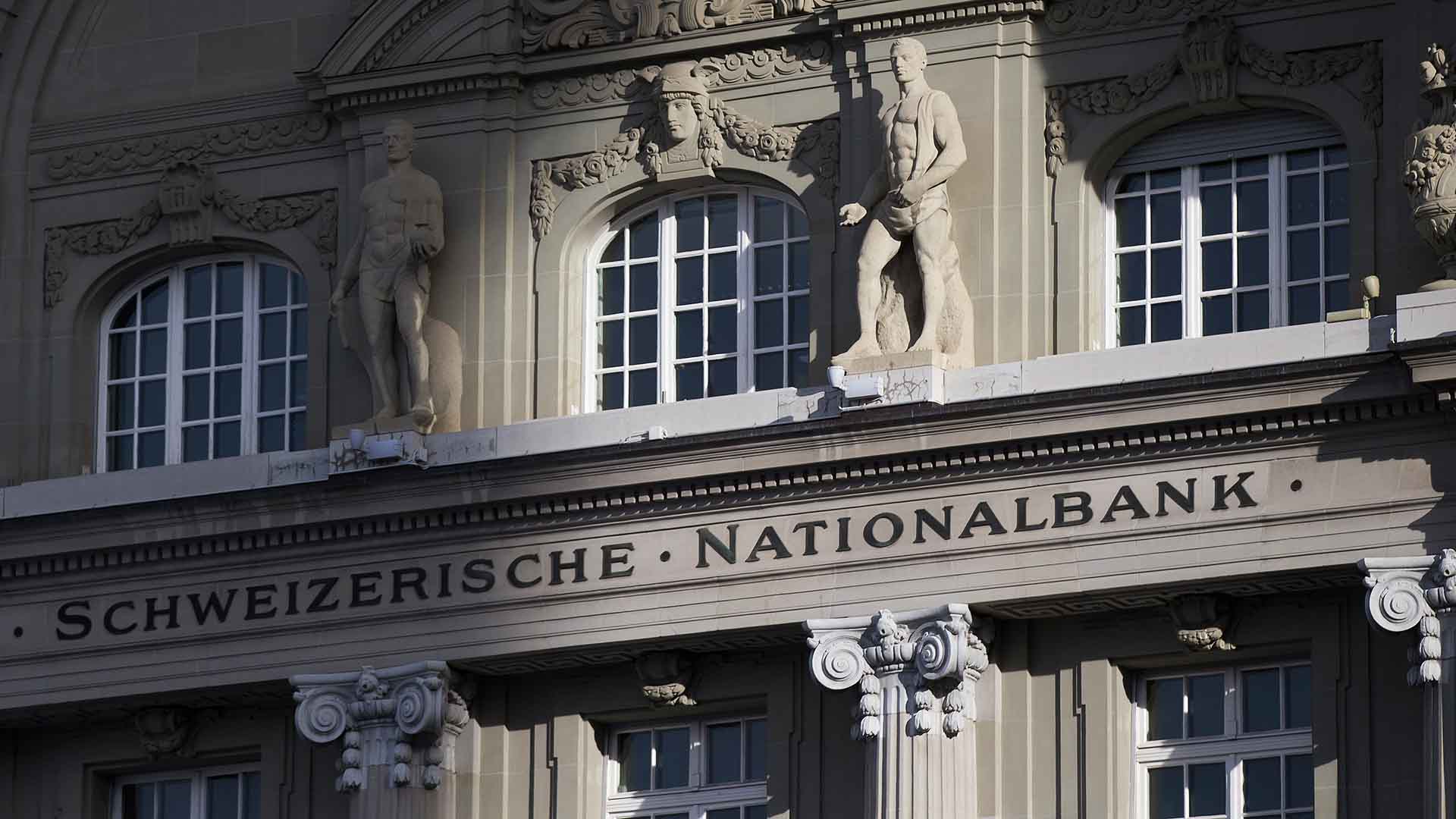
These are the topics of the week: the official start of the 2027 federal elections, the introduction of flexible exchange rates by the Swiss National Bank, the international summit of the OSCE Ministerial Council in Lugano, and a look behind the scenes of the riotous night in Zurich last weekend.
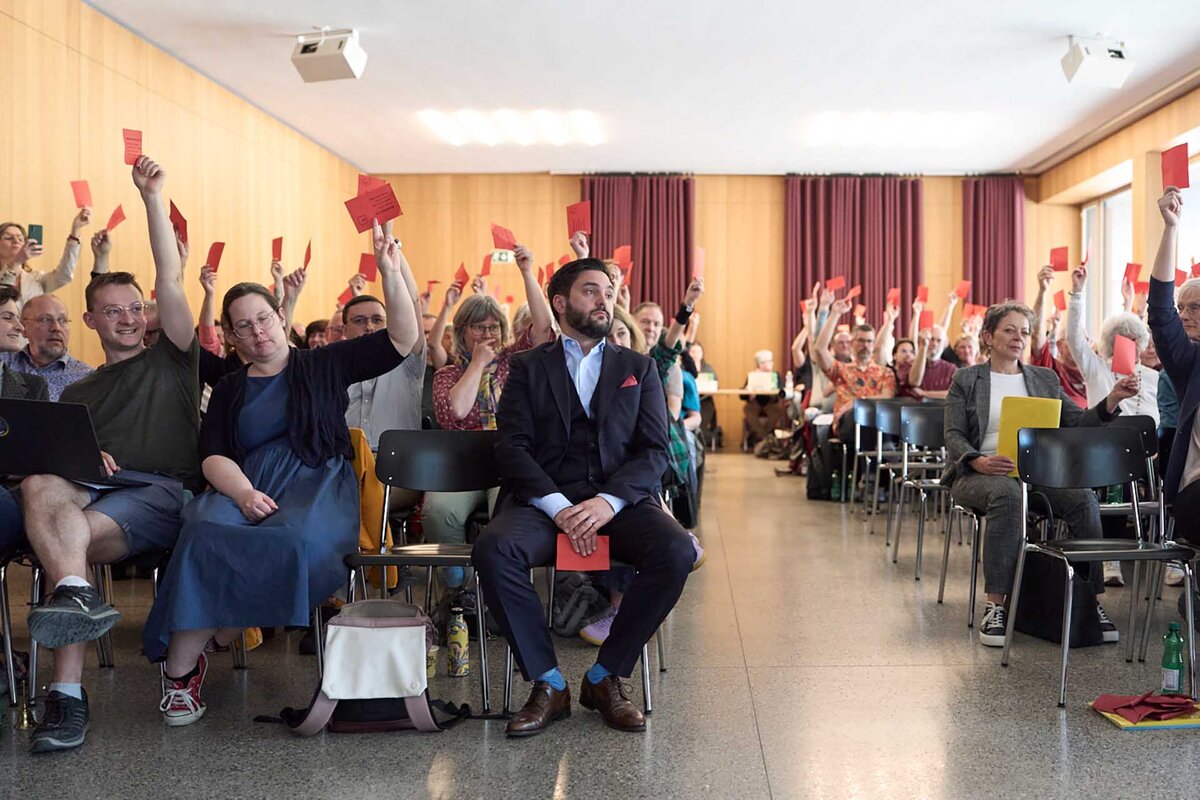
2027 Federal Elections
Spotlight
The "Circular of the Federal Council to the cantonal governments concerning the general election of the National Council" serves as the official administrative and legal guide for conducting the elections. With the publication of this document, it is now official: on October 24, 2027, Switzerland will elect its new parliament.
What sounds like a bureaucratic routine marks the actual starting signal for the 53rd legislative period under the dome of the Federal Palace. Behind the scenes, the party headquarters are beginning to prepare for the battle over seats, majorities, and the magic formula.
The signs point to an intense showdown: driven by debates on immigration, purchasing power, climate change, and international relations, the political camps are realigning. While the polar extremes are focusing on mobilization, the battle for third place is taking shape in the center.
But the wheels aren't just turning in Bern: in newsrooms across the country, the planning phase for the biggest media event of the election year is beginning. Keystone-SDA supports media organizations in this endeavor with modular components - from the basic offering to live dashboards and AI-supported data queries.
Are you looking for a customized solution? We would be happy to support you directly via the Editorial department or Sales.
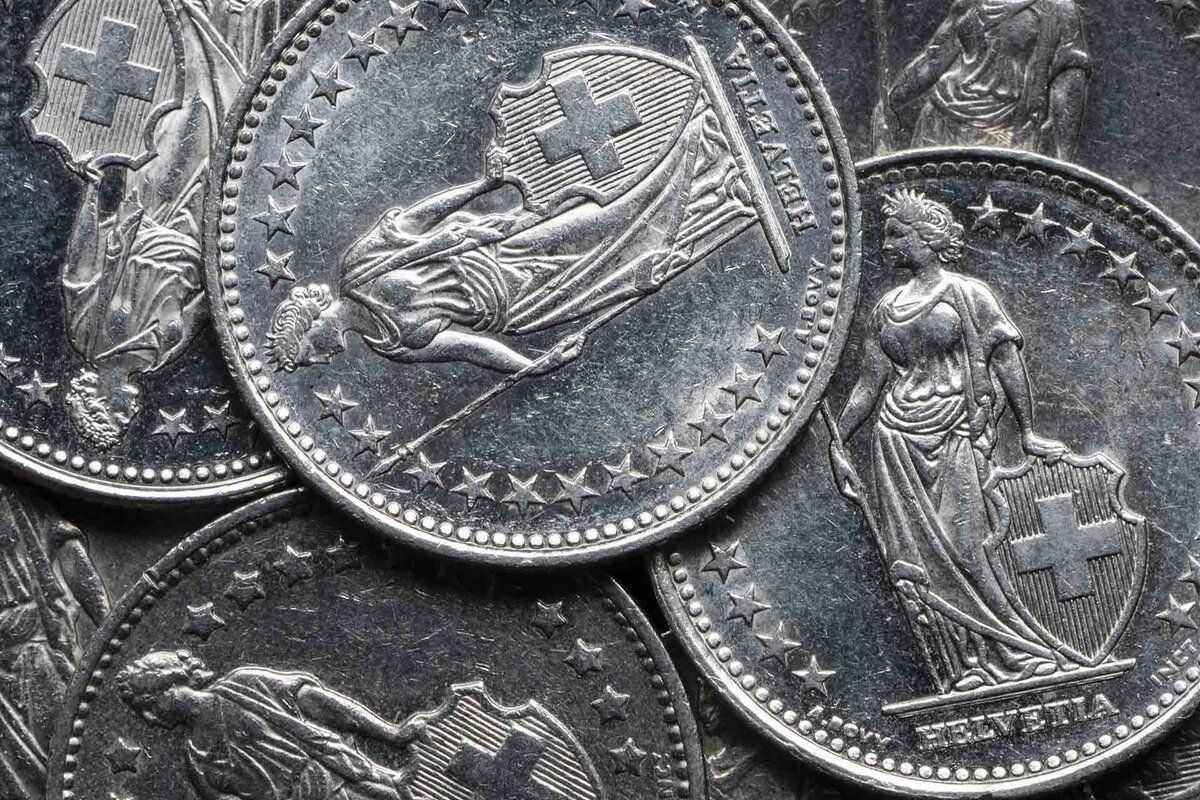
The era of flexible exchange rates
Flashback
While geopolitical crises and elections are keeping financial markets on edge, we take a look back at the foundation of Swiss monetary policy: a good five decades ago, the Swiss National Bank (SNB) entered the era of the flexible exchange rate.
By floating the franc, Switzerland made the move into a system that is still considered the epitome of stability worldwide today. Since then, the franc has established itself as the eternal safe haven of the international financial world. What began in the 1970s as a risky experiment against imported inflation ultimately turned it into the hardest currency in the world.
This historic turning point continues to shape the Swiss economy today. The permanent appreciation has reliably protected the country from waves of inflation. At the same time, it has placed the export industry, tourism, and the National Bank under constant pressure, which ultimately ranged from historic negative interest rates to billion-dollar foreign exchange interventions.
For Switzerland, the decoupling from the fixed dollar system marked the beginning of an era in which monetary independence became both the country's strongest shield and its greatest burden.
57
Numbers
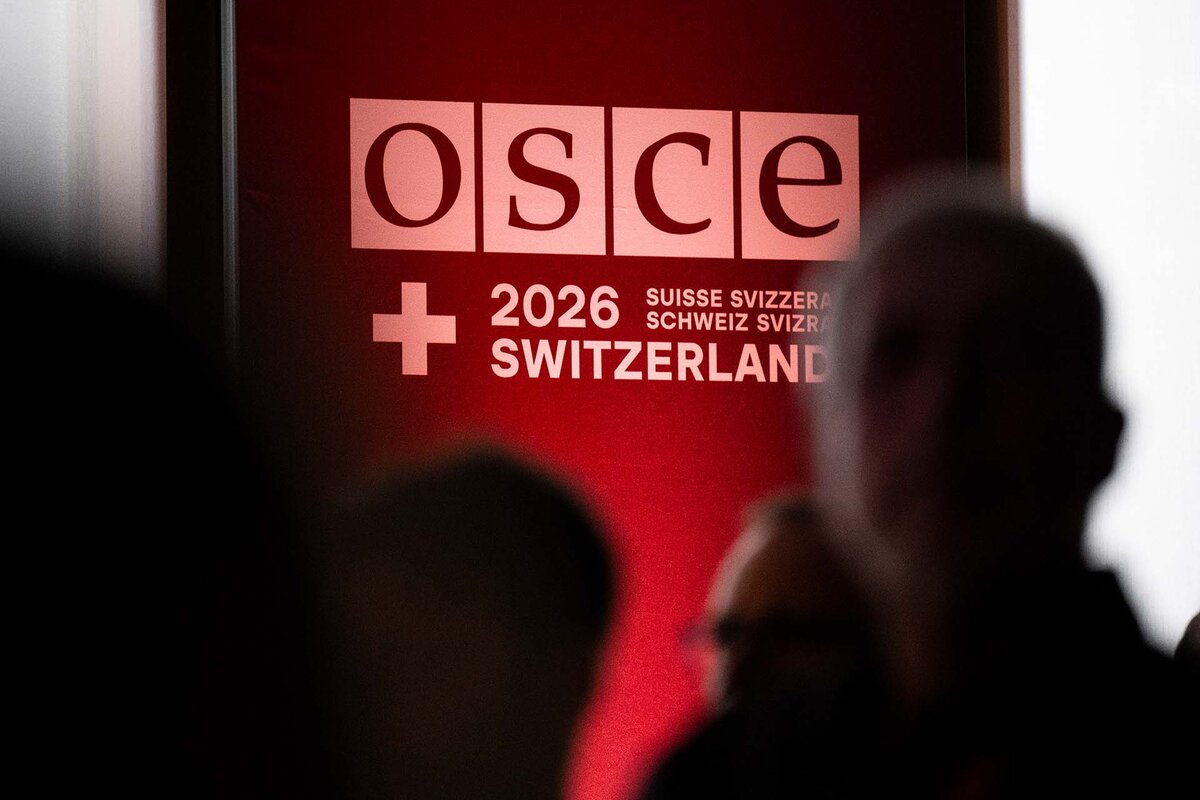
On exactly 57 participating states and 12 cooperation partners, the focus of international diplomacy will turn on December 3 and 4, 2026, when Lugano becomes the venue for the 33rd OSCE Ministerial Council. Federal Councilor Ignazio Cassis presented the dimensions of the summit on site this week, which marks the ceremonial conclusion of Switzerland's OSCE chairmanship year 2026, the third Swiss presidency after 1996 and 2014.
The key figures underscore the logistical tour de force for Ticino and the federal government: around 1,500 delegates and hundreds of media professionals make the event the largest diplomatic conference on Ticino soil since the Ukraine Recovery Conference in 2022.
To secure the meeting in times of profound geopolitical tension, the Federal Council has approved 5.25 million francs and set a massive deployment in motion: up to 3,000 members of the Swiss Armed Forces are providing assistance with property protection, airspace surveillance, and logistics. The Ticino Cantonal Police is leading the operation with police forces from all over Switzerland, while temporary airspace closures are securing the greater Lugano area.
Up close
Insights
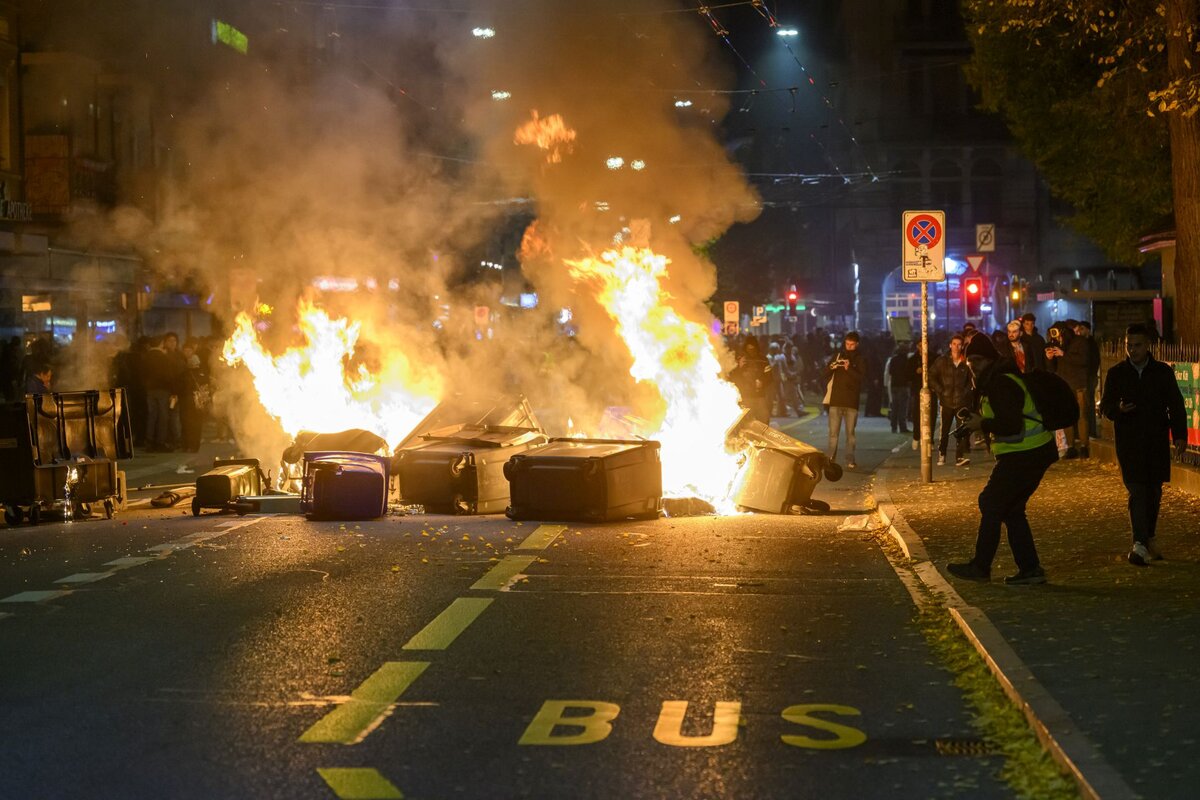
The Halloween night in Zurich's District 4 turned into a wave of violence that went far beyond an ordinary festive weekend. Right in the middle of it: a Keystone-SDA team covering text, video, and photography. While firecrackers detonated and masked individuals set barricades on fire, the trio documented the events on the front lines.
The photographer describes how fine the line is between journalistic duty and personal danger during such riots in his situation report:
'It was really wild. We were moving together almost the entire time and helped each other out. Above all, we always kept an eye on an escape route through the side streets. As soon as the mob formed, we steered clear of the area and observed the situation from a safe distance. We were careful - and it was clear to us: if it gets too dicey, we're out of there immediately.'
Authentic images of attacks on emergency responders or burning streets require proximity to the action, but they do not forgive any recklessness. In Zurich, the combination of well-coordinated teamwork, strict safe distances, and clear retreat options kept the team from harm. What remains are impressive photographic documents of a night that is now keeping politicians and the judiciary busy.